Healthy teeth start early. Your child’s smile shapes how they eat, speak, and feel about themselves. You want to protect that smile before problems grow painful or expensive. A trusted family dentist can guide you. A dentist in Alexandria, VA will not wait for cavities or gum problems to show up. Instead, they use simple preventive treatments that keep teeth strong during childhood and the teenage years. These treatments do three things. They block decay. They support daily brushing and flossing. They catch silent problems before they turn serious. You do not need special knowledge to protect your child’s mouth. You only need clear steps and steady support from a skilled team. This blog walks through six treatments family dentists use every day for kids and teens, why they work, and when to start them. That way you can ask direct questions and act with confidence.
1. Regular checkups and cleanings
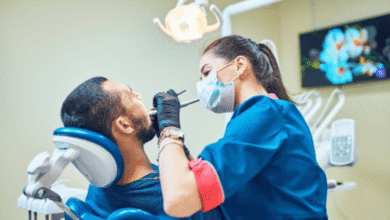
Routine visits are the base of preventive care. You see the outside of your child’s teeth. Your dentist sees everything else.
During a checkup, the team will


- Count and inspect each tooth
- Check gums for swelling or bleeding
- Look at the bite and jaw growth
- Clean away plaque and hardened tartar
These visits usually happen every six months. Some kids who get cavities often may need visits more often.
2. Fluoride treatments
Fluoride is a natural mineral. It hardens tooth enamel and helps heal early weak spots before they turn into cavities.
At the office, fluoride may come as
- Foam in a tray that sits over the teeth
- Gel that a hygienist brushes on
- Varnish that sticks to teeth for several hours
The treatment is quick and painless. Kids keep their mouths open for a short time. Then they spit and avoid food or drink for a short period, based on what the dentist says.
Most kids get fluoride treatments every three to twelve months. The schedule depends on their cavity risk, diet, and water source.
3. Dental sealants
Back teeth have deep grooves that trap food. A toothbrush often misses these spots. Sealants cover those grooves with a thin protective coating.
The process has three steps.
- The tooth is cleaned and dried
- A gentle gel prepares the surface
- The liquid sealant is painted on and cured with a light
Sealants do not hurt. There is no numbing. The tooth structure stays intact.
The American Dental Association shares data that sealants can cut cavity risk in molars for school-age kids.
4. X-rays and early cavity checks
Some cavities grow between teeth or under the surface. You cannot see these spots at home. X-rays give a clear picture.
Your dentist will use the lowest radiation needed. The team covers your child with a shield and may use digital sensors that reduce exposure.
Typical images for kids include
- Bitewing X-rays that show the top and bottom back teeth together
- Periapical images that show the full tooth and root
- Panoramic images that show all teeth and jaw growth
Early findings mean smaller fillings or sometimes no drill at all. Your dentist may use fluoride or watch a spot closely instead of treating it right away.
5. Orthodontic checks for growth and bite
Teeth that crowd or stick out are harder to clean. They trap plaque and strain the jaw. Early orthodontic checks watch how the teeth and jaws grow.
Family dentists often start these checks around age seven. They look for
- Crowding or gaps
- Overbite or underbite
- Crossbite where upper and lower teeth do not line up
- Mouth breathing or thumb sucking habits
Sometimes your dentist will just keep watching. Other times, they may suggest early action like space maintainers or a visit with an orthodontist. Timely care can shorten later treatment and lower the risk of fractures or uneven wear.
6. Custom mouthguards for sports and grinding
Sports and night grinding can crack or break teeth. A custom mouthguard fits your child’s mouth and absorbs impact.
Common uses include
- Contact sports like football, hockey, or basketball
- Skateboarding or biking
- Night grinding that wears down enamel
Store-bought guards help some. Custom guards protect better because they fit the exact shape of your child’s teeth. They are easier to wear and less likely to fall out.
See also: How Comprehensive Dentistry Supports Long-Term Oral Health
How common treatments compare
This table gives a simple view of how often kids and teens may need each preventive treatment and what it helps prevent. Each child is different. Your dentist will adjust the plan.
| Treatment | Typical start age | How often | Main problem it helps prevent |
|---|---|---|---|
| Checkups and cleanings | First tooth or by age 1 | Every 6 months | Cavities and gum disease |
| Fluoride treatments | Toddler years | Every 3 to 12 months | Weak enamel and early decay |
| Dental sealants | Age 6 to 7 for first molars | Every 5 to 10 years as needed | Cavities in back teeth |
| X rays | Preschool or early school age | Every 1 to 2 years or as needed | Hidden cavities and bone issues |
| Orthodontic checks | Around age 7 | Every 6 to 12 months | Crowding and bite problems |
| Custom mouthguards | When sports or grinding start | Replace every 1 to 2 years or with growth | Broken teeth and jaw injuries |
How you can support these treatments at home
Office care works best when it matches steady habits at home. You can
- Brush your child’s teeth twice a day with fluoride toothpaste
- Help or watch brushing until at least age 8
- Use floss once a day
- Limit sugary drinks and snacks between meals
- Keep regular dental visits even when teeth look fine
Each small step guards your child’s comfort, speech, and confidence. Preventive treatments are not just about teeth. They support eating, sleeping, and school success. You give your child quiet strength when you protect their smile early and often.