Knowing what CPR is and being prepared to perform it are two different things. Someone may understand the basic idea of chest compressions after reading an article or watching a video, but responding to a real cardiac emergency requires physical skills, quick decisions, and familiarity with the sequence of actions.
That is why hands-on practice remains an important part of emergency response education. It gives learners an opportunity to move beyond theory and become familiar with the actions they may need to perform during a high-pressure situation.
CPR Is a Physical Skill
CPR requires more than remembering instructions. A responder needs to position their hands correctly, maintain an appropriate compression rate and depth, allow the chest to recoil between compressions, and limit unnecessary interruptions.


For an average adult in cardiac arrest, current American Heart Association guidance recommends chest compressions at a rate of 100 to 120 per minute and a depth of at least two inches while avoiding excessive compression depth.
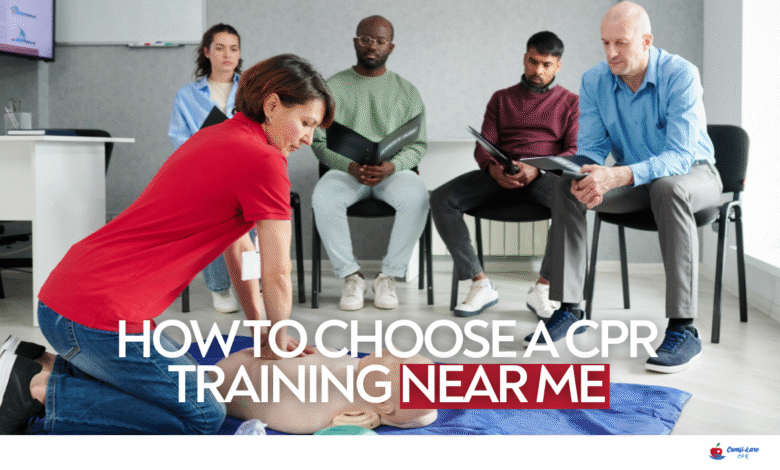
Those measurements can be difficult to judge without practice. Training manikins allow learners to experience how proper compressions actually feel. Some training equipment can also provide feedback about compression depth and rate, helping learners recognize and correct mistakes.
The goal is not simply to memorize numbers. It is to become more consistent with the physical technique.
See also: Benefits of Process Mining Technology
Practice Makes AED Use More Familiar
Automated external defibrillators are designed to provide clear instructions, but unfamiliar equipment can still feel intimidating during an emergency.
Hands-on training gives people the opportunity to practice turning on an AED, placing the pads, following device prompts, and coordinating AED use with CPR.
This familiarity can reduce uncertainty. Instead of seeing the device for the first time during an emergency, a trained responder may already understand its basic operation and know what to expect.
Realistic Scenarios Help With Decision-Making
Emergency response involves a sequence of decisions.
- Is the scene safe?
- Is the person responsive?
- Is the person breathing normally?
- Has emergency medical help been contacted?
- Is an AED available?
Scenario-based exercises allow learners to work through these questions rather than simply reading about them.
An instructor might create a situation in which one person performs compressions while another calls emergency services or retrieves an AED. Practicing this type of coordination can help learners understand that emergency response is often a team effort.
It also reinforces the importance of communication. When several people are present, clearly assigning responsibilities can prevent confusion and duplicated effort.
Immediate Feedback Helps Correct Technique
One advantage of practicing with an instructor is receiving feedback while performing the skill.
A learner may believe their compressions are deep enough when they are actually too shallow. Their rhythm may gradually become too fast or too slow. They may lean on the chest instead of allowing complete recoil.
Without feedback, those habits can be difficult to recognize.
Supervised practice allows errors to be identified before they become routine. Learners can repeat the technique, adjust their movements, and develop a better understanding of correct performance.
Organizations such as Comfi-Kare CPR provide CPR-related education and training resources, but regardless of which provider someone considers, it is important to evaluate the course format, certification requirements, and hands-on component before registering.
Different Learners May Need Different Courses
Not everyone needs the same type of CPR education.
A healthcare professional may require Basic Life Support certification, while a teacher, coach, childcare provider, or community member may need a different course. Some professionals may also need advanced programs such as ACLS or PALS.
Before selecting a course, learners should determine what certification their employer, school, licensing board, or organization requires.
They should also check whether the program includes an in-person skills assessment. A course that is appropriate for general awareness may not necessarily satisfy professional certification requirements.
For a useful checklist of factors to consider when comparing CPR classes and certification options, read the article.
Repetition Helps Skills Stay Familiar
Emergency skills can become less familiar when they are not practiced for long periods.
Refreshing CPR knowledge gives learners an opportunity to review the sequence of response, correct technique problems, and become familiar with updated recommendations.
Periodic practice can be valuable even for people who have previously completed formal training.
CPR education ultimately combines knowledge with physical performance. Reading and online instruction can introduce important concepts, but practicing the actions themselves can help turn those concepts into usable skills.
When an emergency occurs, familiarity with the process can make it easier to focus on the immediate steps: recognize the emergency, call for professional help, begin appropriate care, and use an AED when available.