In the 21st century, Polycystic Ovary Syndrome (PCOS) is one of the most common hormonal conditions affecting women who attain reproductive age in their lives. While the symptoms may vary, one of the most visible and emotionally taxing is the excessive growth of hair on the body, known as hirsutism. This symptom occurs because PCOS often leads to elevated levels of androgens(male hormones that stimulate hair follicles to produce thicker, darker hair). It takes place in areas where women typically prefer smooth skin, such as the face, chest, stomach, or back. For many, this is not just a cosmetic inconvenience but a daily reminder of the symptomatic condition, often impacting self-worth and confidence.
There are several traditional methods of hair removal, including shaving, waxing, threading, and using creams. Although they provide temporary relief, it rarely addresses the root of the problem. They often lead to irritation, ingrown hairs, or the exhausting cycle of constant regulation. This is where laser hair removal has become a transformative option, offering women with PCOS a way to manage unwanted hair more effectively and with longer-lasting results.
Why Laser Hair Removal Is Beneficial For PCOS
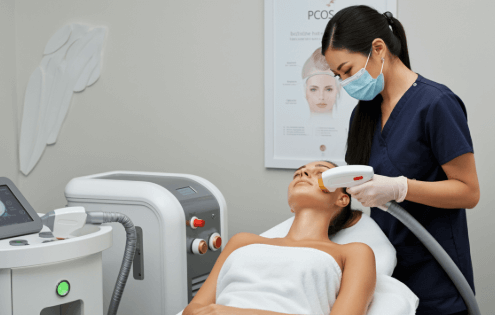
Laser hair removal is based on a simple but powerful principle, which is the application of concentrated beams of light on the pigment in hair follicles. The light energy gets converted into heat, damaging the follicle enough to slow down or stop future growth. Unlike shaving or waxing, laser treatment acts deeper and seeps into the pores of the skin to act upon a constrained area for hair removal, reducing the follicle’s ability to regenerate hair.


For women with PCOS, this is particularly valuable as the condition’s hormonal imbalance signifies persistent hair growth. Moreover, it is also often more aggressive than in women without PCOS. While no cosmetic treatment can cure PCOS itself, laser hair removal directly addresses one of its most frustrating symptoms. Over time, patients typically notice that regrown hair is finer, lighter, and less noticeable, making daily grooming feel less of a burden.
What To Expect During The Journey Of Treatment
Laser hair removal is not a one-time solution. Since hair grows in cycles, multiple sessions are integral to catch up to the follicles at the right stage of their growth. Most women with PCOS need between 8 and 12 sessions, leaving gaps for about four to six weeks apart. The exact number depends on the following parameters:
1. Areas of the skin being treated
2. The thickness of the hair on the respective parts of the body, and
3. The individual’s hormonal profile.
During each session, patients may feel a mild tingling or snapping sensation as the laser glides against the skin. The discomfort is usually minimal, but far less intense than waxing. After treatment, slight redness or swelling may occur, but these effects fade away quickly. Importantly, while shaving between sessions is allowed, waxing or plucking should be avoided, as these methods interfere with the follicle’s cycle and reduce the laser’s effectiveness.
As PCOS is a chronic condition, maintenance sessions are more than often necessary and crucial. The consistent care to take gaps and visit these sessions accordingly ensures that the results remain consistent even as hormonal fluctuations continue.
Areas Commonly Treated
Women with PCOS often seek laser hair removal for areas most affected by the very androgen-driven growth. These include the chin, jawline, and upper lip, where facial hair can be particularly distressing. Other common areas are the chest, stomach line, arms, legs, and bikini region. The versatility of laser technology signifies that large areas can be treated efficiently, while smaller, more sensitive zones can be handled with precision.
Safety and Effectiveness
Certain considerations are important for women with PCOS. Thus, one should consult a trained professional and seek expert help in issues relating to laser therapy. Skin tone plays a role in determining the type of laser used. For lighter skin, standard lasers are effective, while darker skin tones require specialized devices. In that regard, the YAG laser comes in great use to avoid pigmentation issues. Side effects are rare but might include temporary redness, swelling, or, in uncommon cases, changes in skin pigmentation.
Despite these limitations, the majority of women with PCOS report significant improvement in hair density and texture after completing their sessions. The treatment is not permanent in the strictest sense, but the reduction is long-lasting and much superior to traditional methods. However, one should take note that going for laser hair removal during pregnancy can pose a risk to the fetus. This should be kept under considerable check, as one shouldn’t seek these treatments during a vulnerable time in their life, as it might lead to casualties.
The Emotional Impact
The benefits of laser hair removal extend beyond the physical. For women with PCOS, unwanted hair growth can be a source of daily stress and even social alienation. Constant grooming routines can feel exhausting, and the visibility of facial or body hair often undermines confidence in professional and personal settings.
Laser hair removal offers relief from this cycle. Reducing the need for constant maintenance, it allows women to reclaim time and energy while feeling more comfortable in their own skin. The psychological relief is also followed by less anxiety about appearance, fewer worries about stubble or regrowth, thus proving to be just as valuable as the physical results. In this way, laser hair removal becomes not just a cosmetic procedure but a supportive therapy that helps women live more freely despite the challenges of PCOS.
Long-Term Maintenance & Lifestyle Upgradation
As PCOS is a lifelong condition, managing the very symptoms requires a holistic approach. Laser hair removal works best when combined with broader strategies such as medical treatment, adjustments in diet, and daily exercise to regulate hormones and insulin sensitivity. For example, medications like oral contraceptives or anti-androgens may reduce androgen levels, complementing the effects of laser treatment.
Women who commit to regular maintenance sessions often find that their results remain stable over time. For the same reason, protecting the skin from sun exposure before and after treatments, staying hydrated, and following aftercare instructions are all essential to maximizing effectiveness. In this sense, laser hair removal becomes part of a larger self-care routine, integrated into the continued management of PCOS.
See also: Inspection Perfection: What to Look for When Buying a Pre-Owned Car
The Rewards of LHR
Laser hair removal has become a powerful tool for women while navigating through the challenges of PCOS-related hair growth. It might not cure the hormonal imbalance at the heart of the condition, but it directly addresses one of its most visible and distressing symptoms. Through consistent sessions, careful maintenance, and integration with medical management, women can achieve smoother skin textures, reduced hair density, and rebuilt confidence.
For those living with PCOS, laser hair removal is more than just an aesthetic treatment. Moreover, it’s a reminder that even in the face of a chronic condition, there are ways to reclaim control, dignity, and freedom to work out the ways one wants to feel with oneself. It transforms the daily struggle of unwanted hair into a manageable routine, offering both physical relief and emotional empowerment.