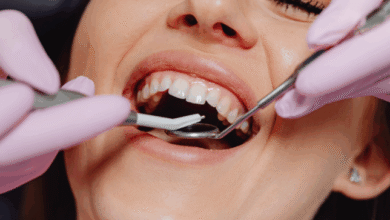
Dental visits can stir fear, confusion, or anger when you live with disability, sensory overload, or complex medical needs. You deserve care that does not force you to “push through” pain or panic. Instead, special needs dental clinics build spaces that fit you. They adjust sound, light, timing, and touch. They train staff to read your cues and respond with calm steps. They plan each visit around what you can handle, not what is fastest for the schedule. In special care dentistry in San Jose and across the country, teams use visual supports, quiet rooms, and simple language so you can understand what will happen next. They invite caregivers into the plan and respect your routines. This blog explains how these clinics design treatment rooms, waiting spaces, and care plans so you feel safer, more in control, and more willing to return.
Designing spaces around sensory needs
Many people with autism, developmental delay, brain injury, or anxiety react strongly to sound, light, smell, or touch. A regular clinic often ignores this. A special needs clinic does not.
You may see:


- Dimmed or indirect lights instead of bright ceiling lights
- Quiet rooms away from phones, drills, and busy hallways
- Soft music or white noise that you can turn off if needed
- Weighted blankets or lap pads for calming pressure
- Choice of sunglasses, headphones, or earplugs
These changes protect your nervous system. You do not need to fight the room and the treatment at the same time. That can lower heart rate, stop meltdowns, and cut the need for restraint.
Planning visits instead of rushing them
Special needs dental teams know that time is a form of support. You should not feel pushed, trapped, or surprised. Clinics often build flexible schedules so your visit fits your pace.
Common planning steps include:
- Short “get to know you” visits before any treatment
- First appointments at quiet times of day
- Extra time for breaks, questions, or sensory rest
- Step by step plans that you can preview at home
The American Academy of Pediatric Dentistry shares that practice visits and gradual exposure can improve behavior and safety for many children with special health care needs. You can read more in their guideline on behavior guidance at AAPD Behavior Guidance.
Using clear language and visual supports
Hard words and fast speech can trigger fear. You deserve clear words and honest answers. Special needs clinics use plain speech and visual tools so you can prepare and say yes or no with confidence.
Teams may use:
- Simple words for tools and steps
- Picture schedules that show what happens first, next, and last
- Social stories that walk through a typical visit
- Gesture and sign support for people who do not use speech
- Written summaries for caregivers to review later
The National Institute of Dental and Craniofacial Research offers free picture guides and tip sheets for people with disabilities and their caregivers. You can find them at NIDCR Developmental Disabilities Oral Health.
Working with caregivers as full partners
You know your body or your child. Your routines, triggers, and comforts matter. Inclusive clinics treat caregivers as part of the care team.
Staff often ask:
- What calms you before, during, and after care
- What words or topics to avoid
- How you communicate pain or fear
- Which position works best for your body
Then they write these details into the chart. That way every visit starts with respect instead of guesswork.
Key differences between typical and special needs dental clinics
| Feature | Typical Dental Clinic | Special Needs Dental Clinic |
|---|---|---|
| Sensory setup | Bright lights and open rooms with many sounds | Adjustable lights, quiet rooms, and sensory tools |
| Scheduling | Standard time slots that focus on speed | Flexible time that allows breaks and slow pacing |
| Communication | Fast speech and technical terms | Plain words, pictures, and social stories |
| Caregiver role | Seen as support in the waiting room | Included in planning and behavior support |
| Behavior response | Focus on getting the procedure done | Focus on safety, consent, and emotional control |
| Training | General dental training | Extra training in disability, trauma, and communication |
Respecting choice and consent
Inclusive treatment means you keep control of your body as much as possible. Clinics set clear rules for consent and choice. They teach staff to ask before touching and to explain what they plan to do.
You may be offered:
- A “stop” signal that ends a step right away
- Choices between tools or positions
- Options to spread care over several visits
This respect builds trust. Over time, many patients need fewer supports because their fear drops.
See also: The Connection Between Jaw Alignment And Orthodontic Health
Supporting complex medical needs
Some people need oxygen, feeding tubes, seizure plans, or help with body movement. Special needs clinics plan for this from the start. They review medical records, contact your doctors, and create safety steps for emergencies.
Support may include:
- Special chairs or cushions for safe positioning
- Pulse and oxygen checks during visits
- Clear seizure or allergy action plans
This planning lets you get needed dental care without risking your health.
How you can prepare for a visit
You can help the clinic support you by sharing clear information before the first appointment. You can write or bring:
- A short summary of medical history and current medicines
- Sensory triggers and calming tools that work
- Communication needs and preferred words
- Past dental or medical experiences that went well or badly
You can also ask for a tour, photos of the office, or a “practice sit” in the chair. These small steps can turn a visit from a crisis into a step toward control.
Why inclusive design matters for you and your family
Untreated dental pain can hurt sleep, eating, speech, and school. It can also worsen heart disease and other conditions. Inclusive clinics make regular care possible for people who have been shut out or harmed in the past.
When a dental clinic designs for disability, everyone benefits. The space gets calmer. The staff learn to listen. The care becomes safer. You and your family gain a place where your needs are expected, not treated as a problem.