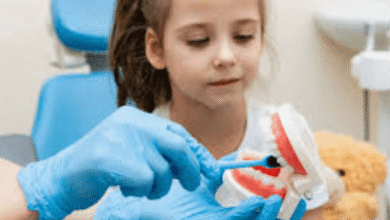
Oral health problems can feel heavy. Pain, broken teeth, bleeding gums, or fear of the chair can drain your energy and your money. You may not know where to start or who to trust. General dentistry gives you a steady guide. You get one home base for checkups, cleanings, fillings, and clear advice. You learn what is happening in your mouth, why it started, and what comes next. You also gain a partner who watches small changes before they become emergencies. This support matters when you face decay, gum disease, dry mouth, or worn teeth. It also matters when you manage health issues like diabetes or heart disease. If you see a dentist in South Tulsa, OK, you can use general dentistry to create a simple plan that fits your life. You stay informed. You stay in control. You protect your health.
Why everyday dental care matters to your whole body
Your mouth is not separate from the rest of your body. Infection in your gums can spread. Ongoing pain can affect sleep and mood. Missing teeth can change how you eat and speak. General dentistry helps you keep your mouth stable so your body has one less fight to manage.
The U.S. Centers for Disease Control and Prevention explains that untreated cavities are common in children and adults and that gum disease is linked to heart disease and diabetes. Routine visits help you lower these risks with simple, steady steps.
How general dentistry guides you through common problems
You may face many different oral health problems over your life. General dentistry helps you understand each one and choose the next step.
- Tooth decay. Your dentist checks every surface of each tooth. You get X-rays when needed. You hear clear options such as fluoride, fillings, or crowns.
- Gum disease. Your dentist measures the space around your teeth. You learn if your gums are inflamed or infected. You get a plan for deeper cleanings and home care.
- Tooth wear and cracks. You may grind your teeth or chew on ice. Your dentist watches for flat or chipped edges. You can use a night guard or repair weak teeth before they break.
- Dry mouth. Many common medicines cause dry mouth. Your dentist can suggest gels, rinses, and timing changes so you protect your teeth from rapid decay.
- Sensitivity. Sharp pain from cold or sweet food can stop you from eating. Your dentist checks for exposed roots, cracks, or decay and treats the cause.
Each visit gives you three things. You get a clear picture of your current health. You get choices that match your budget and your schedule. You get guidance that respects your fears and your limits.
Preventive care versus “wait until it hurts” care
People often wait until the pain is severe. That delay increases cost and stress. General dentistry focuses on prevention. You fix small problems when treatment is simple. You avoid rushed choices and urgent visits.
Preventive Care Compared With Emergency Care
| Type of care | Typical timing | Common examples | Impact on you |
|---|---|---|---|
| Preventive visit | Every 6 to 12 months | Exam, cleaning, X-rays, fluoride | Short visits. Lower cost. Problems found early. |
| Early treatment | When a problem first appears | Small filling, deep cleaning, night guard | Less pain. Tooth often saved. Simple recovery. |
| Emergency care | After severe pain or break | Root canal, extraction, large crown | More visits. Higher cost. Greater stress. |
This comparison shows a clear pattern. When you stay ahead of problems, you keep more teeth and spend less time in the chair.
Support for children, adults, and older adults
Every stage of life brings different oral health needs. General dentistry adjusts to you as you age.
- Children. Early visits build trust. Your child learns that the office is a safe place. Your dentist watches growth, helps prevent cavities, and offers sealants when needed.
- Adults. Work and family can push your health aside. Regular visits help you manage stress grinding, gum disease, and old fillings that may fail.
- Older adults. You may face dry mouth, wear, or missing teeth. You may also use medicines that affect your mouth. Your dentist can adjust cleanings, dentures, and home care tools.
The National Institute of Dental and Craniofacial Research explains that older adults face higher rates of gum disease and root decay. General dentistry helps you plan for these changes before they limit your eating or speech.
Partnership when you have other health conditions
If you live with diabetes, heart disease, cancer, or autoimmune disease, your mouth needs closer watch. Infection can spread faster. Healing can take longer. General dentistry connects your oral care to your medical care.
Your dentist can
- Review your medicine list and watch for side effects in your mouth
- Coordinate with your doctor before surgery or cancer treatment
- Set a cleaning schedule that matches your health risks
This partnership reduces surprise problems. It also gives you one clear message. Your health team sees your mouth as part of your whole body, not as a side issue.
See also: Why Preventive Dentistry Protects Against Generational Health Risks
How to use each visit to stay in control
You can gain more from each appointment when you prepare. A simple plan can help you speak up and get the answers you need.
- Write down your questions about pain, bleeding, or changes in your mouth.
- Bring a list of your medicines and any new diagnoses.
- Ask for plain language. Ask what will happen if you wait and what will happen if you treat now.
Then confirm three points before you leave. Know what your diagnosis is. Know the next step. Know how to reach the office if your symptoms change.
Taking the next step toward steadier oral health
Oral health challenges can feel lonely. General dentistry gives you steady support. You gain a clear view of your mouth. You receive early warnings. You choose treatment on your own terms instead of during a crisis. Each small visit builds a record of your health and a sense of control.
You do not need a perfect history to start. You may have missed years of care. You may feel shame or fear. A strong general dentist focuses on your next step, not your past. One visit can stop the slide and begin repair. Your mouth can feel calmer. Eating can become easier. Sleep can improve. You deserve that relief.