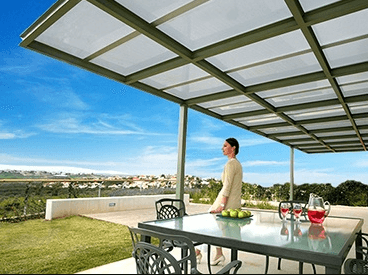
Purchasing roof lights online has become increasingly popular, and Skylights Roof Lanterns offers a wide selection of high-quality polycarbonate roof lights that combine durability, aesthetics, and energy efficiency. Polycarbonate roof lights are lightweight, impact-resistant, and perfect for both flat and pitched roofs, making them a practical choice for residential and commercial projects. However, buying online and installing them requires careful planning, accurate measurements, and awareness of best practices to ensure the installation is safe, efficient, and long-lasting.
This article provides a step-by-step guide from online purchase to installation, including tips on measuring, safety, professional vs DIY installation, and how to avoid common mistakes.
Step 1: Selecting the Right Polycarbonate Rooflight Online
Choosing the right rooflight is crucial for both functionality and aesthetics. When buying online, consider the following:


- Size and Shape: Measure the available roof space and determine the best rooflight size. Polycarbonate panels are available in various shapes, including rectangular, square, and curved.
- Roof Type Compatibility: Ensure the rooflight is suitable for your roof type, whether flat, pitched, or sloping. Some designs are specifically for flat roofs, while others are optimized for pitched configurations.
- Glazing and UV Protection: Polycarbonate rooflights often come with UV-protective coatings and multi-wall designs for thermal efficiency. Check product specifications to ensure energy efficiency and durability.
- Opening Mechanism: Decide if you want a fixed rooflight or one that opens for ventilation.
- Supplier Reputation: Choose a trusted online supplier like Skylights Roof Lanterns to guarantee high-quality materials, accurate descriptions, and reliable shipping.
Tip: Read product reviews, compare specifications, and verify warranty information before completing your purchase.
Step 2: Accurate Measuring and Preparing Your Roof
Correct measurements are critical to avoid gaps, leaks, or improper fitting:
- Measure Twice, Order Once: Use a tape measure to determine the length, width, and any slope or pitch of your roof. For pitched roofs, measure the angle to ensure compatibility.
- Check Structural Clearance: Ensure the roof can support the rooflight, considering additional load, especially for larger panels.
- Mark Placement: Decide exactly where the rooflight will go, taking into account natural light direction and interior furniture placement. Avoid areas with obstructions like beams or vents.
Pro Tip: Create a rough sketch of your roof with measurements marked to provide to the supplier or installer. This helps ensure the product ordered matches your exact requirements.
Step 3: Preparing for Delivery and Handling
Online orders require planning for delivery and safe handling:
- Inspect Packaging: Polycarbonate panels should arrive well-packaged to prevent scratches, cracks, or warping.
- Safe Storage: Store the panels flat in a clean, dry area away from heavy objects or direct sunlight to prevent damage before installation.
- Team Support: Polycarbonate panels can be lightweight but may be large. Arrange for at least one helper to assist with lifting and positioning.
Tip: Avoid dragging the panel across rough surfaces; this can scratch the polycarbonate. Always lift and carry carefully.
Step 4: Installation Preparation
Before starting the installation, gather all tools and safety equipment:
- Tools Required: Drill, screws, sealing tape, silicone sealant, measuring tape, ladder, protective gloves, and safety glasses.
- Weather Check: Choose a dry day for installation to reduce the risk of slipping or water ingress during the process.
- Safety First: For flat roofs, use a stable ladder and, if possible, safety harnesses. Ensure someone else is present to assist.
Tip: Review the manufacturer’s instructions for your specific rooflight model. Online suppliers like Skylights Roof Lanterns often provide detailed step-by-step guides.
Step 5: Step-by-Step Installation
1. Prepare the Roof Opening
- Mark the outline of the rooflight on the roof.
- Cut the opening according to the manufacturer’s specifications. Ensure edges are straight and smooth.
- Install any flashing or support frames recommended by the supplier to prevent leaks.
2. Position the Rooflight
- Carefully lift the polycarbonate panel into place.
- Ensure the panel sits flush with the roof surface. Check that it aligns with the marked opening.
3. Secure the Rooflight
- Use the screws and fixings provided to secure the rooflight.
- Follow the manufacturer’s instructions for screw spacing and torque to avoid cracking the polycarbonate.
4. Seal the Edges
- Apply silicone sealant or roofing tape around the edges to create a waterproof barrier.
- Ensure all corners and joints are sealed properly to prevent water ingress.
5. Test for Stability and Water Tightness
- Once installed, gently inspect the rooflight for movement.
- After a rain shower or using a hose, check for leaks and reseal if necessary.
Step 6: Professional Installation vs DIY
While DIY installation is possible, some situations may require professional help:
DIY Advantages:
- Cost savings on labor.
- Flexibility to install at your own pace.
DIY Challenges:
- Risk of incorrect measurements or improper sealing, leading to leaks.
- Safety concerns when working at height.
- Handling large panels without damage can be tricky.
Professional Installation Advantages:
- Guaranteed correct installation and alignment.
- Faster and safer, especially on complex or high roofs.
- Professionals can handle larger panels and ensure compliance with building codes.
Recommendation: For large rooflights, high roofs, or complex configurations, hiring a professional is often worth the investment.
Common Mistakes and How to Avoid Them
- Incorrect Measurements – Always double-check measurements before ordering to prevent sizing issues.
- Poor Sealing – Use proper silicone or tape as recommended to prevent leaks.
- Ignoring Roof Pitch – Ensure the rooflight is suitable for the slope or flatness of your roof.
- Skipping Safety Precautions – Never work on a roof alone, and always use appropriate protective gear.
- Damaging Panels During Handling – Always lift panels carefully and avoid dragging them across rough surfaces.
By following proper planning, preparation, and installation guidelines, these common mistakes can be easily avoided.
Step 7: Post-Installation Care
Maintaining your polycarbonate rooflight ensures longevity and continued performance:
- Regular Cleaning: Use a soft cloth and mild soap solution. Avoid abrasive cleaners or harsh chemicals.
- Inspect Seals: Check for cracks or gaps periodically, especially after storms.
- Monitor Ventilation (if applicable): Ensure opening rooflights function correctly to maintain airflow and prevent condensation.
Tip: With minimal maintenance, polycarbonate rooflights can last for decades while maintaining clarity and strength.
Conclusion
Installing polycarbonate rooflights from online suppliers is an excellent way to bring natural light into your home or workspace. From initial purchase to installation, careful planning, accurate measuring, and attention to safety are crucial to achieving a successful outcome. Polycarbonate panels offer durability, energy efficiency, and visual appeal, making them a smart investment for any property.
Whether you choose DIY installation or hire professionals, following the steps outlined above ensures your rooflight is correctly fitted and functions efficiently. Avoid common mistakes, seal properly, and maintain the panels for long-lasting benefits.
For high-quality, reliable products and expert guidance, suppliers like Skylights Roof Lanterns provide everything you need to successfully select and install polycarbonate rooflights online, transforming your space with bright, safe, and sustainable natural light.