You sit in the chair. The shield goes on. The machine moves close to your face. You hear the click and wonder what happens next. A dental X ray can show problems you cannot see. It can also expose you to a small amount of radiation. You have a right to clear answers before you agree. This blog gives you five sharp questions to ask before your next X ray. You will learn when you really need one, how often is safe, and what your dentist plans to look for. You will also see how X rays affect your treatment choices, from a simple filling to Invisalign in Leduc or another clinic. These questions help you protect your health, your wallet, and your peace of mind. You do not need to stay silent. You can speak up and expect straight answers.
1. Why do I need this X ray today?
Start with purpose. Do not let any test feel automatic. Ask your dentist to explain in clear words why this X ray is needed right now.
- Is there pain or swelling you cannot see
- Is the dentist checking for cavities between teeth
- Is this for braces, implants, or jaw problems
Next ask how the X ray will change your care. A useful test should guide a choice. For example, it might show if a tooth needs a filling or only watchful waiting. It might show if wisdom teeth can stay or should come out.


You can also ask if there is any other way to get the same information. In some cases a careful exam and your history may be enough. In other cases the X ray is the only way to see deep infection or bone loss.
2. How often do I really need dental X rays?
Routine X rays are not “one size fits all”. The right schedule depends on your mouth, not the clock on the wall.
The American Dental Association and the U.S. Food and Drug Administration give shared guidance on this question. They urge dentists to use X rays only when needed, not on a fixed yearly plan.
Ask your dentist which group you fit into and why. For example, a child with many cavities in the past may need X rays more often. An adult with healthy gums and few fillings may need them less often.
Example X Ray Frequency by Risk Level
| Patient type | Cavity risk | Typical bitewing X ray timing |
|---|---|---|
| Child | High | Every 6 to 12 months |
| Child | Low | Every 12 to 24 months |
| Teen | High | Every 6 to 18 months |
| Teen | Low | Every 18 to 36 months |
| Adult | High | Every 6 to 18 months |
| Adult | Low | Every 24 to 36 months |
This table gives examples. Your own timing should reflect your mouth and your risk.
3. What type of X ray is this, and what will it show?
Not all dental X rays are the same. Each type shows a different part of your mouth. Ask which kind you are getting and what it is meant to reveal.
Common Dental X Ray Types and Uses
| X ray type | What it shows | Common use |
|---|---|---|
| Bitewing | Upper and lower back teeth in one view | Find cavities between teeth and check fillings |
| Periapical | Whole tooth from crown to root tip | Check deep infection, abscess, or root problems |
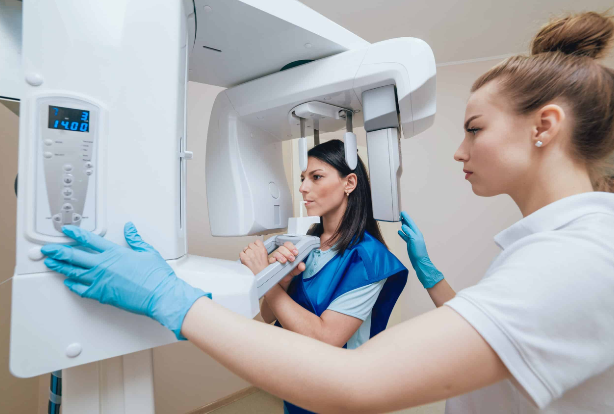
| Panoramic | Full jaw, sinuses, and all teeth | Plan wisdom tooth removal, braces, or implants |
| Cephalometric | Side view of head and jaw | Plan orthodontic care |
Then ask what your dentist will look for on this specific image. For example, your dentist may say “I am checking the bone around this loose tooth” or “I am looking for decay under this crown”. That clear link helps you see the reason for the test.
4. How much radiation is used, and how are you keeping me safe?
Dental X rays use low doses of radiation. Even low doses deserve respect. You should know what steps your dental team takes to keep exposure as low as possible.
Ask these three questions.
- Do you use digital X rays or film
- Will you use a thyroid collar and a lead apron
- How do you decide if my child needs an X ray today
Digital X rays often use less radiation than older film systems. A thyroid collar protects a small but sensitive part of your body. For children, the Image Gently and “As Low As Reasonably Achievable” approach urge extra care with radiation.
You can also compare a dental X ray dose to things in daily life. The U.S. Environmental Protection Agency explains that everyone gets background radiation from soil, air, and space.
Hearing clear numbers helps. Ask your dentist to compare the dose to the background radiation you receive in a normal day or on a short airplane flight.
5. How will this X ray change my treatment plan?
Every X ray should have a job. It should help guide a clear choice. Before you agree, ask how the result will shape your care.
You can ask.
- If the X ray looks normal, what happens next
- If you find a problem, what choices will I have
- Can you show me the image and walk me through it
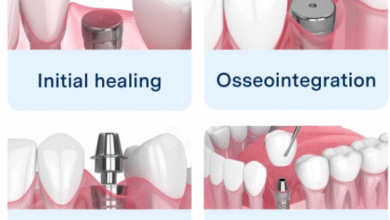
This matters for both simple and complex care. For a small cavity, an X ray might help you decide between a filling now or close watching. For braces or Invisalign, it can show if the bone and roots can support tooth movement. For implants, it can show if there is enough bone in the jaw.
When the image is ready, ask your dentist to pull it up on the screen. Ask to see three things. Ask where the concern is. Ask how serious it looks. Ask what the top two choices are for treatment.
See also: The Connection Between Jaw Alignment And Orthodontic Health
How to speak up with confidence
Many people feel rushed during dental visits. You may worry about being a burden. Your questions are not a burden. Your questions are part of safe care.
Before your visit, write your top three questions about X rays on a small card or on your phone. During the visit, pull out the list and read it. If you feel nervous, you can say, “I wrote a few questions so I would not forget them.” That one line often slows the pace and opens the door.
You deserve clear, honest answers. You deserve a care plan that fits your mouth, your story, and your comfort. Each dental X ray should serve you, not the other way around.