You trust your dentist to do more than fix teeth. You count on clear warnings when something deeper might be wrong. Sometimes a routine visit uncovers signs that need more testing. That can feel scary. It can also save your health.
This blog explains four signs your general dentist may recommend extra screenings. You will see why your dentist watches your gums, jaw, bite, and past dental work. You will also understand how issues like implant restoration Toronto or new mouth pain can signal the need for closer checks.
You deserve straight talk about what your dentist sees and why it matters. You also deserve to know what happens next if your dentist suggests more tests. That way you can prepare, ask sharp questions, and protect your body and peace of mind.


Why extra screenings matter
Your mouth can show early clues of disease in the rest of your body. The gums, tongue, and jaw often change before you feel sick. Early checks can catch cancer, bone loss, and infection while treatment is still simple.
The National Institute of Dental and Craniofacial Research explains that regular dental visits help spot problems early, when treatment is easier and less costly.
Sign 1: Sores, patches, or changes in your mouth
Your dentist looks for spots that do not heal. These changes can appear on your tongue, cheeks, gums, or lips. Some changes are harmless. Others can warn of oral cancer or serious infection.
Tell your dentist if you notice any of the following for more than two weeks.
- A sore that does not heal or keeps coming back
- Red or white patches that were not there before
- A lump, thick spot, or rough edge
- Numbness or a burning feeling in one part of your mouth
Your dentist may suggest an oral cancer screening. This might include a closer light exam or a small sample of tissue called a biopsy. The National Cancer Institute oral cancer screening page explains how simple these checks can be.
Do not wait for pain. Many early cancers do not hurt. A quiet sore can still be dangerous.
Sign 2: Ongoing gum bleeding, swelling, or loose teeth
Gums should not bleed every time you brush. Swollen or tender gums often signal gum disease. This can damage the bone that holds your teeth. It can also link to heart disease and diabetes.
Your dentist may suggest extra screenings if you have
- Gums that bleed when you brush or floss
- Gums that look puffy or deep red
- Teeth that feel loose or have moved
- A change in how your teeth fit together
Extra checks can include measuring the pockets between teeth and gums, detailed X rays, or tests for certain bacteria. You may also need a review of your blood sugar or heart history with your medical doctor.
Common Gum Changes and Possible Extra Screening
| What you notice | What your dentist may do | Why it matters |
|---|---|---|
| Bleeding when brushing | Measure gum pockets | Checks for early gum disease |
| Swollen or tender gums | Detailed X rays | Shows bone loss around teeth |
| Loose or shifting teeth | Referral to gum specialist | Protects teeth from loss |
| Bad breath that will not stop | Test for harmful bacteria | Guides cleaning and treatment |
Gum disease often grows slowly. Routine care is more effective after treatment. Extra screenings show how far it has gone and what you need next.
Sign 3: Jaw pain, headaches, or bite changes
Your jaw joints and muscles work every time you talk, chew, or yawn. When they are strained, you may feel pain in your jaw, face, neck, or head. You might hear clicking or grinding. Your bite may feel off.
Your dentist may suggest extra screenings if you report
- Jaw pain when chewing or waking up
- Frequent headaches near your temples
- Clicking, popping, or locking of your jaw
- Teeth that feel like they no longer meet right
Extra checks can include
- Detailed bite exam and wear pattern check
- Imaging such as panoramic X rays or other scans
- Sleep screening if your dentist suspects teeth grinding at night
These screenings help rule out jaw joint disorders, arthritis, or sleep apnea. Untreated grinding can crack teeth and crowns. It can also shorten dental work life.
See also: The Connection Between Jaw Alignment And Orthodontic Health
Sign 4: Problems with past dental work or implants
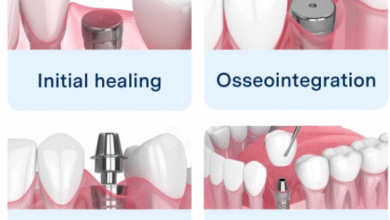
Fillings, crowns, and implants need regular checks. They sit in living bone and gum tissue. Over time, that tissue can change. A strong piece of dental work can still fail if the support around it weakens.
Your dentist may suggest extra screenings if you notice
- Pain or pressure around an old filling or crown
- Red or swollen gum around an implant
- Movement, clicking, or a gap near an implant
- Food trapping in new spaces between teeth
For implants, your dentist may order special X rays to measure bone levels. This helps find early bone loss or infection. The dentist may also test how much the implant moves, even if you cannot feel it.
For crowns and fillings, extra checks can include bite tests, cold tests, or imaging to see if decay has formed under the work or if a crack has started.
How to respond when your dentist suggests more tests
Hearing that you need extra screenings can stir fear. You might worry about bad news, cost, or time. You still have control. You can ask clear questions and make careful choices.
Consider asking your dentist
- What did you see or feel that concerns you
- What disease or problem are you trying to rule out
- What tests do you recommend first and why
- What happens if I wait or choose not to test now
- Will I need to see a specialist, and who will that be
Write notes or bring someone you trust. Strong information can calm your mind. It can also help you act before a small problem grows.
Protecting your health between visits
You can lower the need for urgent screenings by caring for your mouth every day. Simple habits still matter.
- Brush twice a day with fluoride toothpaste
- Clean between teeth daily with floss or another tool
- Avoid tobacco in any form
- Limit sugary drinks and snacks
- Schedule regular checkups, even when nothing hurts
Watch your own mouth. If you see sores, swelling, or changes that do not clear in two weeks, call your dentist. You do not need to wait for your next planned visit.
Key takeaway
Extra screenings are not a sign of failure. They are a sign that your dentist is watching closely and wants to protect you. When you notice changes and speak up, you turn fear into action. You give yourself a better chance at early answers, simpler treatment, and a safer future for your mouth and body.