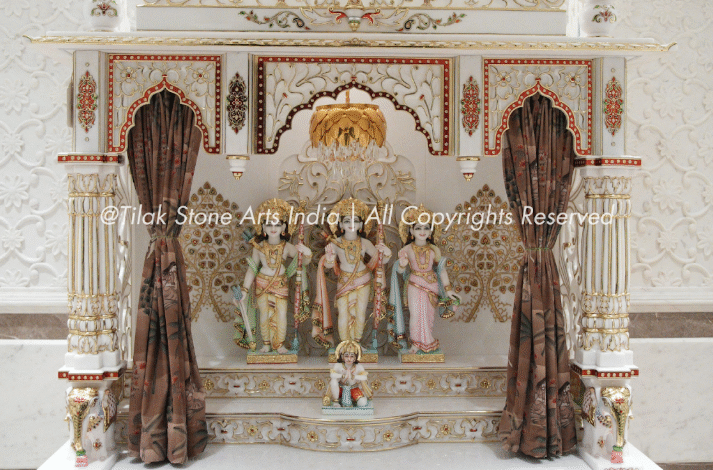
Creating a sacred space within your home requires thoughtful planning and an understanding of both spiritual significance and aesthetic appeal. A well-designed temple area serves as the heart of daily worship whilst balancing seamlessly with contemporary interior styles. The challenge lies in honouring traditional values without compromising on modern design sensibilities that define today’s living spaces.
When planning a mandir for the home, homeowners must consider multiple factors including spatial constraints, material selection, and vastu compliance. The right design transforms an ordinary corner into a spiritually enriching environment that invites peace and devotion. Premium materials, particularly carefully selected marbles, elevate the entire space through their natural beauty and timeless elegance. This investment in quality ensures your sacred space remains a cherished focal point for generations to come.
Understanding Sacred Space Requirements in Contemporary Homes
Spatial Considerations and Placement: Modern apartments and homes often present unique challenges when designating the right space for worship. You’ll need to evaluate available areas carefully, considering factors like natural light exposure, ventilation, and privacy. The ideal location should feel separate from high-traffic zones whilst remaining accessible for daily rituals. Many homeowners discover that even compact spaces can accommodate beautifully crafted temples when designed with precision and expertise.


Vastu Principles for Temple Positioning: Ancient architectural wisdom suggests specific directions for temple placement to maximise positive energy flow. The northeast corner traditionally receives preference, though east and north-facing positions also work effectively. Vastu compliance extends beyond mere direction—it encompasses ceiling height, flooring elevation, and the positioning of deity idols. These principles, when integrated thoughtfully, create an environment conducive to meditation and spiritual practice without appearing rigid or outdated.
Material Selection Impact on Longevity: The choice of marble significantly influences both the visual appeal and durability of your home temple. Vietnam White Marble stands out for its exceptional qualities—pristine appearance, fine grain structure, and remarkable resistance to environmental factors. This marble variety, also known as Swiss White or Super Fine White Vietnam Marble, offers superior luminosity that enhances the divine atmosphere. Lesser quality materials may deteriorate over time, developing stains or cracks that diminish the sanctity of your worship space.
See also: Transform Life’s Shifts into Springboards for Growth
Design Approaches That Honour Tradition and Modernity
Minimalist Contemporary Temples: Clean lines and uncluttered designs appeal to those preferring understated elegance in their interiors. These temples feature streamlined columns, subtle carvings, and open structures that don’t overwhelm smaller rooms. The simplicity allows the natural beauty of premium marble to take centre stage, creating a serene focal point. You’ll appreciate how this approach integrates effortlessly with modern furniture and neutral colour palettes prevalent in contemporary homes.
Intricate Traditional Carving Styles: For those drawn to ornate craftsmanship, elaborately carved temples showcase India’s rich artistic heritage. Skilled artisans create detailed motifs—lotus patterns, peacock designs, and divine symbols—that transform marble into storytelling surfaces. These handcrafted elements require exceptional expertise and precision, qualities that distinguish professionally designed temples from mass-produced alternatives. The depth and intricacy of such work often becomes a conversation piece, reflecting your family’s appreciation for fine artistry.
Hybrid Fusion Designs: Perhaps the most versatile option combines traditional elements with modern sensibilities, creating temples that feel both timeless and current. These designs might feature classical pillars with contemporary lighting integration or traditional domes with minimalist surroundings. The balance achieved through expert design consultation ensures neither aspect overwhelms the other. This approach particularly suits families wanting to preserve cultural connections whilst embracing progressive interior aesthetics.
Essential Design Elements for Elevated Temple Aesthetics
Successful home temples incorporate several key features that enhance both functionality and visual impact:
- Lighting Architecture: Proper illumination transforms the temple’s atmosphere, with options ranging from concealed LED strips to traditional oil lamp provisions. Warm lighting highlights marble’s natural veining and creates an inviting ambience for evening prayers.
- Storage Integration: Thoughtfully designed compartments for puja essentials, religious texts, and ceremonial items maintain organisation without cluttering the sacred space. Hidden storage solutions preserve the temple’s visual purity.
- Customised Idol Placement: Tiered platforms or recessed niches accommodate multiple Deities whilst ensuring each receives appropriate prominence. The arrangement follows both aesthetic principles and religious protocols.
- Ventilation and Maintenance Access: Strategic design allows for air circulation and easy cleaning, crucial for spaces where incense and oil lamps are regularly used. Practical considerations need not compromise beauty.
- Decorative Ceiling Treatments: Overhead designs, from simple coves to elaborate domes, add architectural interest and draw the eye upward, creating a sense of expanded space and transcendence.
Material Variations for Pooja Room Customisation
Beyond temple structures, the broader pooja room area benefits from diverse material applications. Wonder White marble offers slightly warmer tones than Vietnam varieties, creating contrast in flooring or wall panelling. Italian marbles introduce distinctive veining patterns for those seeking dramatic visual statements in larger spaces. Onyx stone, with its translucent properties, creates stunning backlit features that add ethereal beauty.
The choice between these materials depends on your overall design vision, budget considerations, and maintenance preferences. Each brings unique characteristics—some emphasise purity through uniformity, others celebrate natural variation through bold patterns. Professional designers help navigate these options, ensuring selections complement rather than compete with your temple’s primary marble components.
Avoiding Common Design Mistakes
Many homeowners inadvertently compromise their temple’s potential through hasty decisions or inadequate planning. Choosing inferior marble grades might seem economical initially, but deterioration becomes evident within months—discolouration, surface etching, and structural weaknesses emerge. Similarly, neglecting proper waterproofing and sealing leads to moisture damage that’s both costly and spiritually disheartening to address later.
Another frequent error involves disproportionate sizing—temples too large for their designated space create claustrophobic feelings, whilst undersized structures lack the presence befitting a sacred area. Lighting mistakes prove equally problematic; harsh overhead fixtures create unwelcome shadows, and insufficient illumination diminishes the marble’s inherent beauty. These pitfalls underscore the value of working with experienced designers who understand both technical requirements and aesthetic nuances.
Conclusion
Designing a mandir for your home represents a meaningful investment in your family’s spiritual life and your property’s aesthetic value. The interplay between premium materials, expert craftsmanship, and thoughtful design creates sacred spaces that inspire devotion across generations. Quality should never be compromised in pursuit of quick solutions—the temple you commission today becomes part of your home’s legacy. Consider consulting specialists who understand the intricacies of marble selection, Vastu principles, and contemporary design integration. Their expertise transforms your vision into reality, ensuring every element contributes to a harmonious and spiritually enriching environment that brings peace and divine presence into your daily life.