Healthy teeth affect how you eat, speak, and feel about yourself. When something hurts or breaks, you need clear options, not confusion. In a family dental office, you can get care that fixes pain, protects weak teeth, and restores your smile in one familiar place. You do not need to sort through complex terms or guess what each treatment means. Instead, you can learn how six common treatments work and when you might need them. These include simple cleanings, fillings, crowns, and extractions. They also include tooth implants in West San Jose and other services that replace missing teeth and support daily life. Each treatment serves a clear purpose. Each one helps you eat, talk, and smile without fear. When you understand these choices, you can plan your care with less stress and more control.
1. Routine exams and cleanings
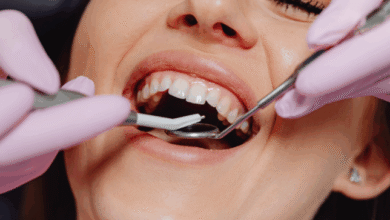
Routine visits catch small problems before they grow. They also keep your mouth fresh and free from heavy plaque.
During a typical visit you can expect three steps.


- A full check of teeth, gums, and bite
- Cleaning to remove plaque and hardened tartar
- Simple tips for brushing, flossing, and diet
The dentist or hygienist may use X-rays to see hidden decay. The Centers for Disease Control and Prevention explains that untreated decay can lead to infection and tooth loss. Regular cleanings lower that risk and often shorten future visits.
2. Fillings for cavities
Cavities start small. They grow when bacteria eat through the outer tooth. You often feel pain only after the damage reaches deeper layers.
A filling does three key things.
- Removes decay and stops the spread
- Restores the shape of the tooth
- Protects the nerve from hot and cold
The dentist numbs the tooth. Then the dentist clears the decay and places filling material. Common options include tooth colored resin and metal. You and your dentist choose based on cost, strength, and where the tooth sits in your mouth.
3. Crowns to protect weak teeth
Sometimes a filling is not enough. A tooth may crack or lose too much structure to hold a filling. A crown covers the whole tooth above the gum and acts like a strong shell.
You may need a crown if you have one of these problems.
- A large broken or worn tooth
- A tooth after root canal treatment
- A tooth that supports a bridge
The dentist shapes the tooth, takes an impression, and places a temporary crown. Then a dental lab makes the final crown from metal, porcelain, or a mix. On a second visit, the dentist cements the crown in place. You leave with a tooth you can use for biting and chewing.
4. Root canal treatment for deep infection
When decay or injury reaches the nerve, the tooth can ache all day. Cold drinks may cause sharp pain. Sometimes the gum swells. Root canal treatment removes the infected nerve and saves the tooth.
The steps are clear.
- Numb the tooth and open a small entry
- Clean and shape the inside of the roots
- Seal the space and place a filling or crown
The tooth stays in your mouth. You keep your natural bite. The National Institute of Dental and Craniofacial Research explains that saving a tooth can help protect nearby teeth and keep chewing strength.
5. Extractions when a tooth cannot be saved
Sometimes a tooth breaks too far or an infection spreads too much. In those cases, removal protects your health. An extraction sounds harsh. It often gives fast relief from deep pain.
Your dentist may suggest removal when you have one of these issues.
- Severe decay that reaches below the gum
- Cracks that split the tooth in half
- Overcrowding that affects alignment
First the dentist numbs the tooth. Then the dentist loosens and removes it. Aftercare includes clean gauze, simple pain control, and clear instructions. You then plan how to fill the space so your bite stays balanced.
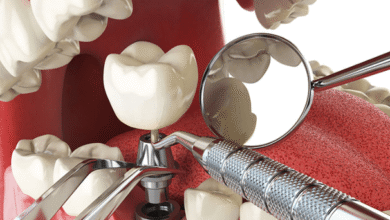
6. Tooth replacement with implants and bridges
Missing teeth change how you chew, speak, and smile. Gaps can cause nearby teeth to shift. They can also lead to bone loss in your jaw.
Family practices often offer two main choices.
- Dental implants that act like new roots
- Bridges that anchor to nearby teeth
An implant is a small post placed into the jaw. After healing, the dentist adds a crown on top. You clean it like a natural tooth. A bridge uses crowns on the teeth next to the gap with a false tooth in between. Both options restore chewing and prevent movement of nearby teeth.
See also: Bathroom Installation: Transform Your Home with Expertise
Comparison of common dental treatments
| Treatment | Main purpose | Typical visit count | Used when |
|---|---|---|---|
| Exam and cleaning | Prevent problems | 1 | You need routine checkups |
| Filling | Fix small to medium cavities | 1 | Tooth has decay but strong walls |
| Crown | Cover and protect weak teeth | 2 | Tooth is cracked or heavily filled |
| Root canal | Remove infected nerve | 1 to 2 | Deep pain or abscess |
| Extraction | Remove unsalvageable tooth | 1 | Tooth cannot be restored |
| Implant or bridge | Replace missing tooth | 2 or more | Gap affects chewing or speech |
How to choose the right treatment
You do not need to decide alone. You can take three steps to stay in control.
- Ask what happens if you delay treatment
- Ask how long the result should last
- Ask about easier or lower cost options
You can also share your fears. Many people feel uneasy about drills, shots, or the cost. A calm talk often leads to simple changes like numbing gel, short visits, or a payment plan. That way, you receive care that fits your life, not the other way around.
When you understand these six treatments, you see a clear path. You move from pain and doubt to steady care and planned choices. You protect your teeth, guard your health, and keep your smile working for you every day.