Your child’s first orthodontic visit can stir up fear, confusion, and a lot of questions. You might worry about pain. Your child might fear braces or being judged. This mix can strain your home and leave you feeling helpless. You do not need to face it alone. With clear steps, you can protect your child’s trust and comfort during this new experience. You can also protect your own peace. This blog shares 5 simple tips that help you talk, plan, and follow through with care. You will see how to explain the visit, manage fear, and keep your child involved. You will also learn how to work with your dentist in Sugar Land, Texas so your child feels safe in the chair. Strong support from you today can shape how your child views dental care for years.
1. Explain What Will Happen In Simple Steps
Fear grows in silence. You lower fear when you explain what will happen in plain words. You do not need medical terms. You only need short, clear steps.
Try this three step script.


- First the orthodontist looks at your teeth and jaw.
- Next the staff may take pictures or X rays while you sit still.
- Then you both talk about what you need and what comes next.
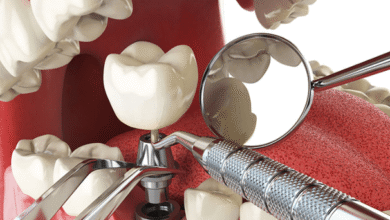
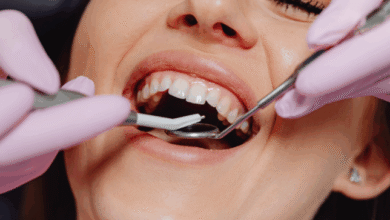
You can show your child pictures of a typical visit. You can use trusted sites such as the American Dental Association MouthHealthy page on orthodontics for children. You can point to the chair, the small mirror, and the camera. You can say what each tool does and what it does not do.
Next ask your child what they think will happen. Listen without cutting in. Then correct one fear at a time. If they fear that braces mean shots, say clearly that braces use no needles during the fitting. If they fear that staff will scold them, explain that the team is there to help, not judge.
2. Use Honest Comfort, Not Empty Promises
Children sense false comfort. You build trust when you stay honest. You can say that some parts may feel strange or tight. You can also say that the visit should not cause sharp pain.
Use three short messages.
- You are safe. I will stay with you as much as the office allows.
- You can ask for a pause if you feel overwhelmed.
- You can tell the orthodontist if something feels wrong.
You can agree on a signal before the visit. A hand raise or two taps on the chair work well. Tell your child that this signal means they need a break. Then share this signal with the orthodontic team at the start of the visit. This simple plan gives your child control inside a strange room.
3. Practice At Home To Reduce Sensory Stress
Many children react to bright lights, odd tastes, and sounds. You can soften this stress with short practice sessions at home.
Try this three part routine.
- Play pretend dentist. Use a clean spoon as a mirror. Ask your child to open wide while you count teeth.
- Practice stillness. Set a timer for 20 seconds. Ask your child to lie back and stay still until it rings. Praise the effort, not perfection.
- Practice breathing. Teach your child to take a slow breath in through the nose and then breathe out through the mouth while counting to three.
You can also pack comfort items with the office staff’s approval. A small stuffed toy, a stress ball, or headphones with calm music can ease the visit. Many offices allow these items during waiting time and sometimes during pictures.
See also: The Connection Between Jaw Alignment And Orthodontic Health
4. Partner With The Orthodontic Team
You do not need to carry this alone. Strong care comes from a team. That team includes you, your child, and the orthodontic staff. Before the visit, call the office. Share your child’s worries and any special needs.
Here is a simple comparison of what you and the orthodontic team can each offer.
| Support task | You as the parent | Orthodontic team |
|---|---|---|
| Explaining the visit | Use home words and stories your child knows | Use pictures, models, and short medical facts |
| Managing fear during the exam | Hold a hand, remind about the signal, guide breathing | Work slowly, narrate each step, honor pause requests |
| Planning next steps | Share what your child can handle at home | Offer timing choices and treatment options |
| Building long term trust | Keep visits on a steady schedule | Stay consistent in staff, routines, and messages |
You can ask the orthodontist to speak directly to your child, not only to you. This shows respect. It also teaches your child to speak up about their own health. Federal health experts stress the power of early dental visits.
5. Plan Rewards That Honor Effort, Not Perfection
Bribery can backfire. Thoughtful rewards can help. You want to praise courage, not perfect behavior. Before the visit, set one clear goal. For example, your child will walk into the office and sit in the chair. Or your child will try one X ray picture.
After the visit, name what your child did well.
- You walked in even though you felt scared.
- You used your hand signal when you needed a pause.
- You asked a question about braces.
Then offer a small reward that matches your values. You can choose extra story time, a trip to the park, or a family game. You do not need sweets. You can let your child help choose the reward ahead of time. That choice can boost their sense of control.
When To Ask For Extra Help
Sometimes fear does not ease. Your child may have trouble sleeping, refuse all dental care, or panic at the door. In that case, you can ask your pediatrician or dentist for support. Many children benefit from more gradual visits or from child focused behavior strategies.
You can also learn more about general dental visit steps from the National Institute of Dental and Craniofacial Research guide on dental visits. Clear facts can calm both you and your child.
Your steady, calm presence is the strongest tool you have. When you explain the visit, stay honest, practice at home, partner with the orthodontic team, and honor your child’s effort, you turn a feared appointment into a shared win. You protect your child’s mouth. You also protect their trust in care for years to come.