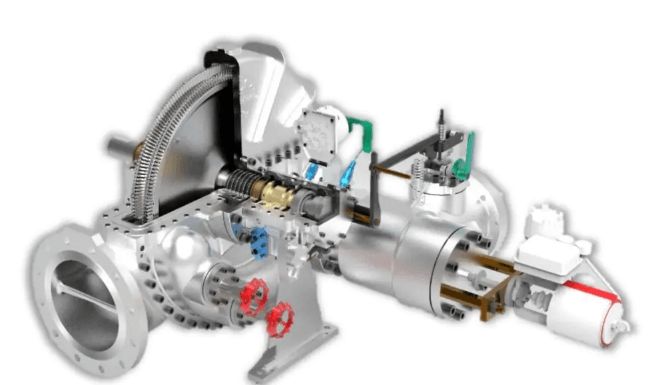
Steam turbine valves play a critical role in controlling steam flow, pressure, and turbine speed, which is why steam turbine valve repair is so important for maintaining reliable operation. These valves regulate how much energy enters the turbine and ensure stable, safe, and efficient operation under varying loads. When turbine valves fail, the consequences can be severe—ranging from efficiency losses and unstable operation to forced outages and serious safety risks.
Understanding why steam turbine valves fail is the first step toward preventing recurring problems. With the right inspection, repair, and refurbishment strategy, turbine valves can be restored to like-new performance and deliver long-term reliability.
Why Steam Turbine Valve Reliability Matters
Steam turbine valves—such as main stop valves, control valves, intercept valves, and reheat valves—operate in extremely harsh environments. They are exposed to:


- High temperatures
- High pressures
- Rapid thermal cycling
- Steam impurities
- Mechanical stress from constant actuation
Any degradation in valve condition directly affects turbine efficiency, response time, and protection systems. Valve failures often trigger vibration, load instability, overspeed events, or trip conditions that shut down the entire plant.
Most Common Causes of Steam Turbine Valve Failure
While valves are designed for long service life, several destructive forces act on them during normal operation. The most frequent failure mechanisms include the following.
1. Erosion from High-Velocity Steam
Steam turbine valves regulate high-energy steam entering the turbine. As steam passes through throttling areas, it accelerates dramatically. If moisture droplets or solid particles are present, they strike valve surfaces at high speed.
This causes:
- Thinning of valve seats
- Surface roughness on discs and plugs
- Loss of sealing capability
- Poor flow control
Erosion gradually prevents the valve from closing tightly, leading to internal steam leakage. Over time, this leakage reduces efficiency and raises turbine temperatures. Precision valve repair restores sealing surfaces and protects them with erosion-resistant coatings.
2. Corrosion from Steam Chemistry Problems
Poor steam and water chemistry is a major contributor to valve degradation. Dissolved oxygen, chlorides, and acidic compounds attack metal surfaces, especially during startup and shutdown when protective oxide layers are disturbed.
Corrosion leads to:
- Pitting of valve seats
- Stress corrosion cracking
- Rough sealing surfaces
- Material weakening
These issues prevent proper valve seating and cause leakage even when the valve is fully closed. Professional valve repair removes corrosion damage, restores surface finish, and applies protective treatments to prevent recurrence.
3. Thermal Distortion and Warping
Steam turbine valves experience extreme temperature fluctuations as units start, ramp up, shut down, and restart. Uneven heating and cooling can cause valve components to expand and contract at different rates.
This results in:
- Warped valve discs
- Misaligned stems
- Distorted valve bodies
- Sticking or sluggish movement
When valves no longer move freely, they may fail to open or close on command, leading to load instability or trip events. Precision machining and alignment during valve repair corrects distortion and restores smooth operation.
See also: How Technology Makes Planning a Lot Easier
4. Mechanical Wear from Repeated Actuation
Control and intercept valves operate thousands of times each year as the turbine responds to load changes. This repeated motion causes wear on:
- Valve stems
- Bushings
- Guides
- Linkages
As clearances increase, the valve becomes less responsive and less accurate. This reduces control precision and can create oscillations in steam flow. Proper repair includes replacing worn components, restoring tolerances, and recalibrating actuation systems.
5. Steam Leakage and Seat Damage
When valve seats and discs no longer seal properly, steam leaks through even when the valve is closed. This causes:
- Energy loss
- Overheating of downstream components
- Poor turbine control
- Increased fuel consumption
Seat damage is often caused by erosion, corrosion, or foreign particle impact. Valve repair involves re-machining or rebuilding sealing surfaces so they achieve tight, reliable closure once again.
6. Foreign Object Damage (FOD)
Debris entering the steam system—such as welding slag, rust flakes, or insulation fragments—can become trapped in valve sealing areas. These particles can score surfaces and prevent full closure.
Over time, FOD causes:
- Grooves in valve seats
- Disc damage
- Persistent leakage
Cleaning, surface restoration, and filtration improvements are essential parts of long-term valve reliability.
How Proper Repair Prevents Repeat Failures
Simply fixing visible damage is not enough. Effective steam turbine valve repair focuses on both restoring the component and eliminating the underlying causes of failure.
1. Precision Inspection and Root Cause Analysis
Advanced repair begins with:
- Dimensional measurement
- Non-destructive testing
- Surface condition analysis
- Review of operating data
This identifies whether erosion, corrosion, thermal stress, or mechanical wear caused the problem—allowing repairs to be engineered for long-term success.
2. Restoring Sealing Geometry
Precision machining and lapping restore valve seats and discs to their correct geometry. This ensures:
- Tight steam sealing
- Stable load control
- Improved efficiency
Proper sealing also prevents overheating and extends the life of downstream turbine components.
3. Applying Advanced Surface Treatments
Modern repair facilities use coatings and hardfacing materials that resist:
- Erosion
- Corrosion
- High-temperature oxidation
These materials dramatically extend valve life in harsh steam environments.
4. Correcting Alignment and Actuation Issues
Rebuilt stems, guides, and bushings restore proper valve motion. This ensures valves respond quickly and accurately to control signals, improving turbine stability and safety.
5. Testing Before Return to Service
After repair, valves undergo pressure testing, seat leakage testing, and operational verification to ensure performance meets or exceeds OEM standards.
The Cost of Ignoring Valve Problems
Failing to address valve issues leads to:
- Higher heat rate
- Unstable turbine operation
- Increased maintenance costs
- Forced outages
- Reduced equipment life
In contrast, proactive valve repair delivers:
- Better efficiency
- Lower fuel use
- Improved reliability
- Extended turbine life
Conclusion
Steam turbine valve failure is rarely sudden—it develops gradually through erosion, corrosion, thermal distortion, and mechanical wear. By identifying these root causes and applying professional repair techniques, power plants can prevent recurring problems and protect their most critical assets.
A well-executed valve repair strategy restores control, improves performance, and ensures long-term operational reliability—keeping power generation running safely and efficiently.