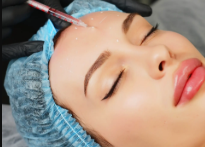
You want fewer lines on your face. You also want to look like yourself. That is where Botox and dermal fillers come in. These two treatments both use tiny needles. They do very different things. Botox relaxes tight muscles that pull your skin into frown lines and crow’s feet. Fillers replace lost volume in your cheeks, lips, and deep folds. Each treatment targets different signs of aging. Each one changes how light sits on your face and how others read your mood. You might feel unsure about what you need. You might feel worried about pain, safety, and cost. This guide explains what each option treats, how long results last, and what you feel during and after treatment. It also shows how Botox and fillers can support other care, including micro needling treatments in Buffalo Grove. You deserve clear facts before anyone touches your face.
How Botox Works
Botox is a drug that blocks nerve signals to certain muscles. You still move your face. You just stop making deep crease lines in treated spots. The Food and Drug Administration explains that Botox is approved for frown lines, crow’s feet, and forehead lines in adults. You can read more on the FDA Botox overview.
Botox works best for lines that form when you move your face. These are called dynamic lines. When those muscles rest more, the skin over them looks smoother.


Common treatment spots include:
- Lines between the eyebrows
- Lines across the forehead
- Lines at the corners of the eyes
Results start in a few days. The full effect often shows in about two weeks. Results usually last three to four months. Then the muscle activity returns. You can repeat treatment if it is safe for you.
How Dermal Fillers Work
Dermal fillers are gels placed under the skin. Many use hyaluronic acid. Your body makes this sugar naturally. It holds water and gives skin a soft look. The Food and Drug Administration gives clear safety tips on fillers. You can see these at the FDA dermal fillers safety page.
Fillers work best for:
- Shallow and deep folds around the mouth and nose
- Thin lips
- Flat or sunken cheeks
- Some types of scars
Fillers do not relax muscles. They add support from below. They can lift shadows and soften sharp lines. They can also shape lips and cheeks.
Results show at once. Swelling can hide the final look for a short time. Depending on the product and where it is used, results can last from several months to two years.
Key Differences Between Botox And Fillers
| Feature | Botox | Dermal Fillers |
|---|---|---|
| Main action | Relaxes specific muscles | Adds volume and support |
| Best for | Lines from repeated facial movement | Static lines and volume loss |
| Common spots | Forehead, between brows, crow’s feet | Cheeks, lips, folds around mouth and nose |
| Onset of results | Several days | Immediate |
| Typical duration | About 3 to 4 months | Several months to 2 years |
| Reversible | No | Often yes for many hyaluronic acid fillers |
| Pregnancy or nursing | Not advised | Not advised |
What Each Treatment Feels Like
Both treatments use needles. That thought can raise tension. Most people tolerate the process.
With Botox, you may feel small pinches and a brief sting. Treatments are short. Many visits take less than 15 minutes.
With fillers, you may feel pressure and a fuller feeling as the gel enters. Many fillers include numbing medicine. Some clinics add numbing cream or ice.
Expect some swelling or small bruises after either option. These often fade in a few days.
See also: Why Preventive Dentistry Protects Against Generational Health Risks
Safety, Risks, and How to Protect Yourself
Every treatment carries risk. You deserve to know them.
Possible Botox side effects include:
- Bruising at the injection site
- Headache
- Temporary drooping of the eyelid or brow
Possible filler side effects include:
- Swelling and bruising
- Lumps or uneven texture
- Allergic reaction
- Rare blood vessel problems that can harm tissue
You lower risk when you:
- Select a licensed medical professional with specific training
- Ask what product is used and why
- Review your medical history and medicines with the provider
- Avoid treatment at parties or in non-medical settings
How To Choose Between Botox And Fillers
Your choice depends on what you see in the mirror and what bothers you most.
Botox may fit you if:
- Your main concern is frown lines or crow’s feet
- Lines deepen when you smile, squint, or frown
- You want a softer look without extra fullness
Fillers may fit you if:
- Your cheeks look flat or sunken
- Your lips feel thin
- Lines stay even when your face rests
Many people use both. Botox can relax strong muscles in the upper face. Fillers can then smooth folds and restore shape in the lower face. When used with care, this blend can keep your face expressive and calm.
Questions To Ask Before You Decide
During a visit, ask direct questions. Three helpful ones are:
- What result can I expect in my case
- How long will my result last
- What are the most serious risks and how will you handle them
Also, ask to see photos of patients with faces like yours. That shows you how the provider thinks about balance and restraint.
Moving Forward With Clear Eyes
Lines and volume loss tell a story. They do not define your worth. If you choose Botox, fillers, both, or neither, you deserve steady facts and careful care. Take time. Ask hard questions. Walk away if you feel rushed or dismissed.
When you understand what each treatment does and how results differ, you can protect your health and your sense of self.