Your mouth tells a story long before you feel pain. A Covina dentist listens to that story through careful exams and precise tools. You might see a simple mirror or bright light and think the checkup is basic. It is not. Every tool has a clear purpose. Each one helps find small problems before they grow into tooth loss, infection, or crushing medical bills. You deserve to know what is happening in your own mouth. When you understand the tools, you understand the findings. This blog walks through six common tools that support accurate diagnosis in general dentistry. You will see how they spot decay, track bone loss, and measure gum health. You will also see how they work together. That knowledge can calm fear, build trust, and help you speak up during your next visit.
1. Mouth mirror
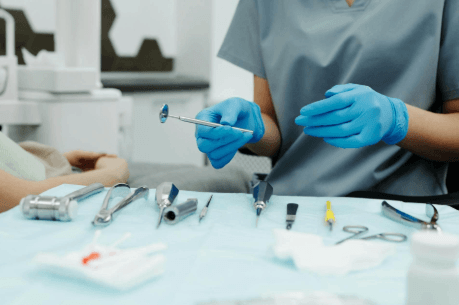
The mouth mirror looks simple. It is not. Your dentist uses it to see the back of your teeth and the roof of your mouth. You cannot see these spots in your bathroom mirror. Hidden decay often starts there.
The mirror does three things.


- Shows stains and early color changes
- Reveals small cracks and chips
- Let the dentist move your cheek and tongue gently
This tool helps your dentist spot early warning signs. That means fewer deep fillings and fewer broken teeth over time.
2. Dental probe and explorer
The probe and explorer look sharp. That can trigger fear. Their purpose is careful measurement and gentle testing.
The explorer glides across tooth surfaces. It helps your dentist feel soft spots that signal decay. It also checks old filings. A weak edge on a filling can trap bacteria.
The probe has small marks along the tip. These marks measure pocket depth around each tooth. Deeper pockets can point to gum disease. According to the National Institute of Dental and Craniofacial Research, gum disease is common in adults. Early measurement is the only way to catch it before bone loss grows.
3. Dental X rays
X-rays show what your eyes cannot. They reveal roots, bones, and spaces between teeth. You might worry about radiation. Modern dental X-rays use low doses and careful shields.
Standard bitewing X-rays help your dentist see:
- Decay between teeth
- Bone levels around roots
- Changes under old fillings or crowns
Periapical X-rays focus on one or two teeth. They help find abscesses, root fractures, or deep infections.
Digital X-rays appear on a screen within seconds. Your dentist can zoom in and point out findings in plain language. That clear picture supports shared decisions about care.
4. Panoramic or 3D imaging
Some visits need a wider view. Panoramic images wrap around your whole mouth. They show all teeth, both jaws, and nearby joints. This scan helps with:
- Finding impacted teeth
- Checking jaw joints
- Screening for cysts or other growths
Some offices also use cone beam 3D imaging. This tool offers a layered view of bone and roots. It supports complex care such as implants or root canal planning. It also helps your dentist avoid nerves and sinuses.
5. Intraoral camera
The intraoral camera is a small camera that fits inside your mouth. It sends live images to a screen. You can see what your dentist sees.
This tool helps with three things.
- Shows cracks, worn teeth, and plaque clearly
- Documents changes over time
- Builds trust through shared viewing
When you see a crack or cavity on a screen, you do not have to guess. You can ask clear questions. You can weigh choices without doubt or confusion.
6. Periodontal charting and measuring tools
Your gums support every tooth. Quiet gum problems can destroy that support. Periodontal tools help your dentist record gum health at each visit.
The probe measures pocket depth around each tooth. The dentist or hygienist records bleeding, recession, and mobility. Over time, this chart shows trends. A small change from one visit to the next can trigger early treatment.
The Centers for Disease Control and Prevention reports that many adults live with untreated gum disease. Careful charting turns silent damage into clear numbers. Those numbers guide cleaning needs and home care.
See also: Why Preventive Dentistry Protects Against Generational Health Risks
How these tools work together
No single tool tells the full story. Your dentist combines what they see, feel, and measure. That mix leads to a clear diagnosis and a simple plan.
Common tools and what they reveal
| Tool | Main purpose | What it helps find early |
|---|---|---|
| Mouth mirror | View hidden surfaces | Stains, cracks, surface decay |
| Probe and explorer | Test teeth and measure gums | Soft spots, loose fillings, gum pockets |
| Dental X rays | See roots and bone | Between tooth decay, bone loss, infections |
| Panoramic or 3D imaging | Wide jaw and tooth view | Impacted teeth, cysts, joint changes |
| Intraoral camera | Show live images | Cracks, wear, plaque buildup |
| Periodontal tools | Track gum health | Gum disease, recession, tooth mobility |
What this means for you and your family
These tools protect you from surprise pain, sudden tooth loss, and high costs. Regular checkups use them in a steady pattern. That routine turns each visit into a safety check.
You can take three steps.
- Ask which tools are used and why
- Look at images and charts during your visit
- Keep records and follow recall schedules
When you understand these tools, you gain control. You can face each visit with steady confidence instead of fear. You also protect your children and older family members who rely on you to guide their care.