What to Expect at a Spanish Dental Clinic: Appointments, Pricing, and Common Procedures Explained

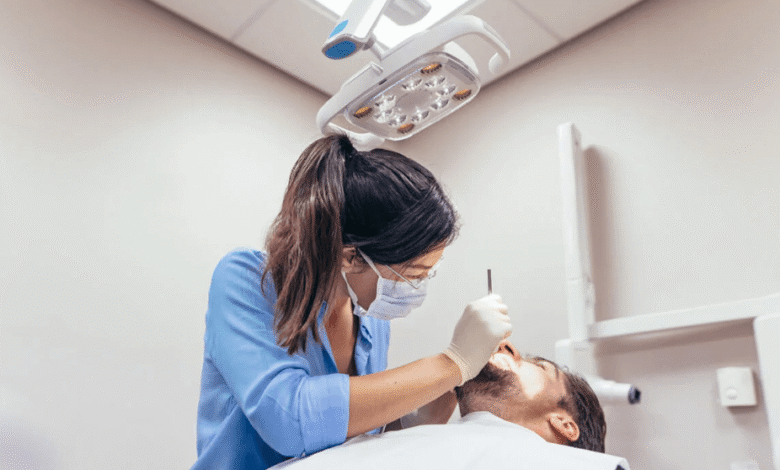
If you’re planning dental care in Spain—whether you live here, you’re relocating, or you’re visiting for treatment—knowing how clinics work can remove most of the stress. At a modern Spanish practice, the experience is usually structured, time-efficient, and centered on clear consent and written treatment plans. If you’re looking for a trusted starting point on the Costa del Sol, you can visit Dentist Marbella.
Spanish dental clinics range from small family practices to multi-specialty centers with digital imaging, in-house labs, and extended hours. The “feel” is often very practical: you’ll typically get a diagnosis backed by imaging, a step-by-step plan, and an itemized quote before any major procedure. Below is an in-depth guide to what to expect at a Spanish dental clinic—appointments, pricing, and common procedures explained in simple terms.
What to Expect at a Spanish Dental Clinic (and why the process feels different)
Many patients notice that Spanish private dentistry leans heavily on diagnostic clarity and written planning. It’s common to see digital X-rays, intraoral photos, and sometimes 3D scans used early—especially if implants, root canals, or complex cosmetic work is being considered. This is not “upselling” by default; it’s often about reducing uncertainty so the dentist can explain options and document baseline conditions.


Another difference is how clinics separate roles. You’ll often interact with:
- A reception/treatment coordinator (scheduling, financing, paperwork)
- A hygienist (cleanings, periodontal maintenance, prevention coaching)
- A general dentist (diagnosis, fillings, simple extractions, plan coordination)
- A specialist (endodontist for root canals, oral surgeon for implants, orthodontist for braces/aligners)
A useful rule of thumb: reputable clinics are comfortable explaining why a step is needed and what happens if you don’t do it yet. As one common standard in patient communication puts it: “No treatment should begin without informed consent and a clear estimate.”
Appointments in Spain: booking, first visit, treatment day, and follow-ups
Booking your appointment: what you’ll be asked
When you book, most clinics will ask a few focused questions so they can reserve the right time slot and equipment:
- Your main concern (pain, broken tooth, check-up, cosmetic goal)
- Any urgency (swelling, fever, trauma)
- Medications and key conditions (blood thinners, diabetes, pregnancy, allergies)
- Whether you have recent X-rays (not required, but helpful)
Language: Many clinics in expat areas can support English, but you can also request simple written summaries. If you’re nervous about misunderstandings, ask for the treatment plan in writing and confirm exactly what’s included.
First visit: exam, imaging, and a plan you can understand
A typical first appointment is built around diagnosis. Expect some combination of:
- Oral exam (gums, teeth, bite, jaw joints)
- X-rays (often a panoramic X-ray; targeted periapicals for specific teeth)
- Periodontal screening (gum pocket depths, bleeding, recession)
- Photos (to show cracks, wear, shade, and gum inflammation)
The dentist will usually explain findings in plain language and offer tiered options. For example, a tooth with deep decay might be discussed as: large filling vs crown vs root canal + crown vs extraction + implant/bridge—each with pros/cons and expected lifespan.
Tip: If you hear new terms, ask for a one-sentence definition. Good clinics are used to it.
Treatment day: anesthesia, comfort, and pacing
For most routine procedures, Spanish clinics commonly use local anesthesia (numbing injection). You should feel pressure, not sharp pain. If you do, say so immediately—adjustments are normal.
Depending on the procedure, you may also see:
- Rubber dam isolation for root canals (helps cleanliness and safety)
- Digital scanning instead of physical impressions for crowns/aligners
- Written post-op instructions and recommended pain control schedules
Follow-ups are often scheduled promptly, especially for root canal completions, crown fittings, or surgical checks after extractions/implants.
Pricing in Spain: what you pay for, how quotes work, and typical ranges
Private vs public: the reality for most dental care
In Spain, most dentistry is private. Public coverage (varies by region) tends to focus on limited services, and adults often still pay privately for standard restorative work. So when people ask about Spanish dental clinic pricing, they’re usually comparing private clinic fees and what’s included.
Typical price ranges you may see (ballpark)
Prices vary by city, clinic technology, clinician experience, and case complexity. Still, these ranges can help you sanity-check quotes:
- Check-up/diagnostic exam: ~€30–€80
- Dental cleaning (hygiene): ~€40–€90
- Small composite filling: ~€60–€140
- Root canal (front tooth): ~€150–€300
- Root canal (molar): ~€250–€500+
- Crown (porcelain/ceramic): ~€350–€700+
- Tooth extraction (simple): ~€60–€150
- Surgical extraction (e.g., impacted): ~€150–€400+
- Dental implant (implant + crown): often quoted as a package ~€1,100–€2,000+
- Teeth whitening (clinic-led): ~€150–€400+
- Clear aligners/braces: ~€2,000–€4,500+
Quick “range chart” (not a table)
Cleaning           €€         (40–90)
Filling            €€–€€€      (60–140)
Root canal (molar) €€€–€€€€    (250–500+)
Crown              €€€–€€€€    (350–700+)
Implant + crown    €€€€–€€€€€  (1,100–2,000+)
Aligners           €€€€€–€€€€€€ (2,000–4,500+)
Fact to keep in mind: “Cheap” dentistry can become expensive if it leads to retreatment. The best value is usually good diagnosis + appropriate materials + proper follow-up.
What influences the final cost (and how to avoid surprises)
Pricing is usually driven by a few predictable factors:
- Diagnostics included or separate: X-rays/CBCT scans may be itemized.
- Material choice: composite vs ceramic, zirconia vs layered porcelain.
- Complexity: deep decay, infection, limited bone for implants, gum disease.
- Specialist involvement: endodontist/periodontist/oral surgeon fees.
- Lab fees: crowns, veneers, bridges, aligners rely on lab fabrication.
To protect yourself, ask for:
- A written treatment plan with itemized steps (even if you accept a package price)
- Clarity on what’s included (temporary crowns, re-cementing, follow-up X-rays)
- The warranty policy (what happens if a crown chips or an implant screw loosens)
Common procedures explained: what happens chairside and what recovery feels like
Hygiene and gum care: the foundation that affects everything
A professional cleaning removes tartar that brushing can’t. If gums bleed easily or you have “deep pockets,” you may be advised periodontal treatment (deep cleaning / scaling and root planing). This is not cosmetic—it reduces inflammation that can lead to tooth loss and can also affect implant outcomes.
What it feels like: mild sensitivity is common for 24–48 hours. Using a soft brush and desensitizing toothpaste usually helps.
Fillings: fast, routine, and technique-sensitive
Composite fillings are placed in layers and hardened with a curing light. A well-done filling depends on moisture control, bite adjustment, and correct contouring. If a filling feels “high,” get it adjusted—walking around with a high bite can trigger jaw pain or tooth sensitivity.
Root canals: why they’re recommended (and why crowns are often next)
A root canal treats infection inside the tooth. The dentist removes inflamed tissue, disinfects canals, and seals them. Molars can be more complex due to multiple canals and curvature.
Important expectation: many root-canal-treated teeth need a crown afterward to reduce fracture risk. If you only do the root canal but skip protection, the tooth can crack later.
Crowns and bridges: how clinics plan the fit
Modern clinics often use digital scans to design crowns. You may receive a temporary crown while the final is made. A correct crown should feel natural in bite and be easy to floss around. Bridges replace missing teeth by anchoring to neighboring teeth, which may require shaping those anchor teeth.
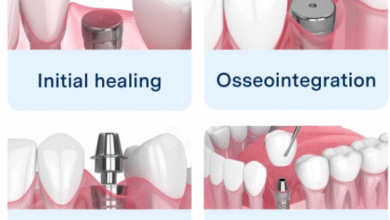
Dental implants: step-by-step timeline
Implants replace missing roots and support crowns. The general stages:
- Imaging and planning (sometimes 3D scan)
- Implant placement (minor surgery)
- Healing/osseointegration (often weeks to months, case-dependent)
- Final crown placement
If bone is insufficient, bone grafting may be discussed. A good clinic will explain risk factors like smoking, uncontrolled diabetes, and untreated gum disease, because these can affect healing.
Orthodontics and clear aligners: what the plan includes
Aligners and braces are not only about straight teeth; they also address bite forces and long-term wear. Expect:
- Photos/scans and bite analysis
- A predicted timeline (with caveats)
- Retainers afterward (often essential)
Ask whether the quote includes refinements (extra aligners if tracking isn’t perfect) and how retainers are priced.
Cosmetic dentistry: whitening, bonding, and veneers
- Whitening brightens natural enamel; it doesn’t change crown/veneer color.
- Bonding adds composite to reshape edges quickly and conservatively.
- Veneers are thin shells (often ceramic) for shape/shade changes; they require careful planning of bite, gum line, and shade matching.
A careful clinic will discuss realistic shade goals and the maintenance needed to avoid chipping or staining.
Extractions and sedation: comfort options
Simple extractions are usually quick. Surgical extractions (wisdom teeth, broken roots) can involve stitches. Some clinics offer conscious sedation for anxiety or complex procedures—ask what monitoring is used and what pre-op fasting rules apply.
Safety, sterilization, and your rights as a patient in Spain
A professional Spanish dental clinic should be able to explain:
- Sterilization workflow (sealed instruments, autoclave use)
- Use of single-use items where appropriate
- Clear medical history screening and allergy checks
- Informed consent before irreversible treatment
- How your data and records are handled (you can request copies of X-rays and plans)
If something is unclear, pause and ask. You are allowed to take time before committing—especially for implants, orthodontics, veneers, or full-mouth plans.
Checklist: questions to ask at a Spanish dental clinic (appointments + pricing clarity)
Bring:
- ID/passport and a medication list
- Any recent dental records or X-rays (if you have them)
- Notes about symptoms (when it started, triggers, pain scale)
Ask:
- What is the diagnosis, and what are the options?
- What happens if I delay treatment for 3–6 months?
- Is the quote all-in, and what is excluded?
- Who performs each step (general dentist vs specialist)?
- What aftercare and follow-ups are included?
- What are the realistic risks (sensitivity, failure rates, retreatment chances)?
Final thoughts: setting the right expectations
What to expect at a Spanish dental clinic is usually a clear pathway: diagnose carefully, explain options, provide a written quote, and proceed with consent. If you focus on plan clarity—what’s included, who does the work, and what outcomes are realistic—you’ll be well positioned to choose treatment confidently and avoid surprise costs.