Your mouth often shows the first signs of deeper health problems. You might notice a sore spot or bleeding gums. You might ignore it. That choice can cost you time, money, and comfort later. This is why full oral screenings belong in your general care, not only at a dentist visit. During a screening, your provider checks your teeth, gums, tongue, cheeks, and jaw. You get a closer look at decay, infection, oral cancer, sleep problems, and even signs of diabetes or heart disease. You also learn how your bite and missing teeth affect your daily life. This matters if you already have restorations such as Scottsdale dental implants or if you might need them soon. When you treat your mouth as part of your whole body, you catch problems early, avoid painful procedures, and protect your long term health with clear, simple steps.
What Happens During A Comprehensive Oral Screening
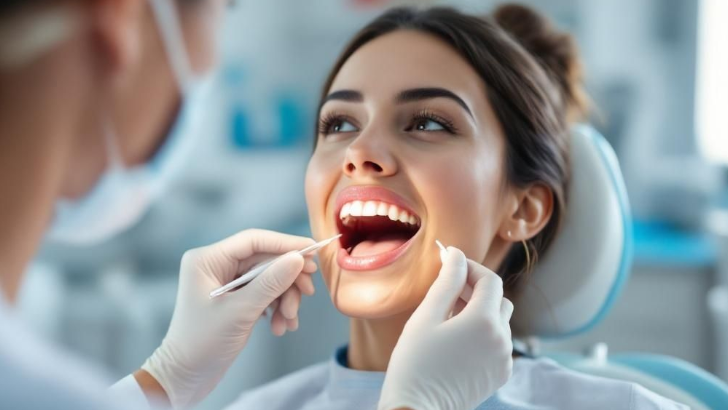
A full oral screening is more than a quick glance. It is a step by step review of your mouth and nearby structures. You stay in control and can ask questions at each step.
During a screening, your provider usually:


- Reviews your medical history and medicines
- Asks about pain, dry mouth, sleep, and eating problems
- Checks your face, jaw joints, and neck for lumps or swelling
- Looks at your lips, tongue, cheeks, and the floor and roof of your mouth
- Tests your gums for bleeding and pocket depth
- Checks each tooth for decay, cracks, or worn edges
- Reviews past work such as crowns, fillings, or implants
Sometimes your provider also uses a special light, a brush, or a dye to spot early changes linked to oral cancer. You may also need simple X rays. These images help find problems that you cannot see, such as bone loss or hidden decay.
Why Oral Screenings Matter For Your Whole Body
Your mouth connects to the rest of your body through blood, nerves, and shared habits. You eat, speak, and breathe through it every day. That close link means oral problems often match other health issues.
Research shows that gum disease links with heart disease, stroke, and poor blood sugar control. The Centers for Disease Control and Prevention explains how gum disease affects many adults and how it can tie to other chronic conditions.
A screening can uncover:
- White or red patches that might be early cancer
- Gum infection that raises your inflammation and strain on your heart
- Tooth wear linked to grinding, stress, or sleep apnea
- Dry mouth that can relate to medicine side effects or autoimmune disease
Early treatment often means shorter visits, lower cost, and less pain. You also avoid sudden emergencies that disrupt work, school, or caregiving.
How Often You Need An Oral Screening
Most people need a full oral screening at least once a year as part of regular checkups. Many dentists and medical providers combine it with cleaning and routine care every six months. Children, older adults, and people with chronic disease may need closer follow up.
Some signs mean you should not wait:
- Sores that do not heal after two weeks
- New lumps or thick spots in your mouth or neck
- Loose teeth or sudden gap changes
- Persistent bad breath or bad taste
- Pain when chewing or opening wide
The National Institute of Dental and Craniofacial Research gives clear guidance on oral cancer signs and screening.
See also: The Connection Between Jaw Alignment And Orthodontic Health
Comparing Routine Checks And Comprehensive Oral Screenings
You might think your yearly physical covers your mouth. It rarely does. A quick look with a tongue depressor misses many early signs. The table below shows the difference between a basic check and a comprehensive oral screening.
| Type of visit | What is usually checked | What is often missed | Best use for you |
|---|---|---|---|
| Basic medical check | General look at throat and tonsils | Early gum disease, small lesions, bite problems | Quick review of overall health |
| Routine dental cleaning | Surface plaque and tartar, visible decay | Deeper pockets, early cancer signs, sleep issues | Maintenance after screening and treatment |
| Comprehensive oral screening | Teeth, gums, soft tissue, bite, jaw, and risk review | Very little when done on schedule | Early detection and planning for long term health |
Why Screenings Matter If You Have Restorations Or Implants
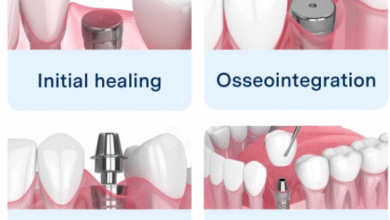
If you have crowns, bridges, or implants, screenings protect your investment and your comfort. Implants such as Scottsdale dental implants rely on healthy bone and gums. Infection around an implant can spread fast. It can lead to bone loss or even implant failure.
During a screening, your provider checks for:
- Red or tender gums near restorations
- Loose or chipped crowns or bridges
- Signs that you grind or clench on implants
- Food traps that raise your risk for decay or infection
Simple changes in cleaning, bite guards, or follow up visits often prevent serious damage. You protect both your health and your past dental work.
How To Prepare For Your Oral Screening
You can get more from each visit with a little planning. Before your appointment, write down:
- All medicines and supplements you take
- Any recent changes in your health
- Pain, sores, or sensitivity and when they started
- Sleep issues such as snoring, gasping, or morning headaches
During the visit, ask three key questions.
- What do you see that concerns you
- What are my options to address it
- What should I watch for at home
These questions help you leave with a clear plan. They also build trust with your provider so you feel safe raising new concerns.
Taking The Next Step For Your Health
Your mouth carries your story every day. It shows how you eat, speak, rest, and manage stress. A comprehensive oral screening respects that story and uses it to guard your future health. When you schedule regular screenings, you choose early action over crisis care. You also protect the people who rely on you at home and at work.
Set a reminder today for your next oral screening. Share the plan with your family so children, adults, and elders all receive the same watchful care. Your future self will feel the relief of that choice each time you eat, laugh, and speak without fear.