Dental implants can give you back a strong, steady bite and a full smile. Yet long term success does not happen by accident. It depends on what you do every day after treatment. Simple choices about brushing, diet, and checkups protect the bone and gum around your implants. Poor habits invite infection, loose implants, and more surgery. You deserve clear guidance, not guesswork. This guide shares 6 direct tips you can use right away to keep your implants healthy for life. Each tip is based on what works best in real mouths over many years. You will learn how to clean around implants, what warning signs to watch for, and when to call your dentist. You will also see how Albuquerque periodontal and implant specialists support your daily care with regular visits and honest advice.
1. Brush with care two times a day
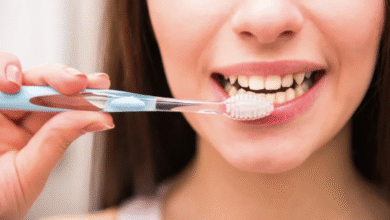
Daily brushing protects the gum seal around your implant. That seal keeps out harmful bacteria. You need to keep it clean.
- Use a soft bristle toothbrush
- Choose a fluoride toothpaste
- Brush for two minutes two times a day
First, angle the bristles toward the gum line. Then use short strokes around the implant crown. You do not need to scrub hard. Gentle pressure works better and protects the gum.

The Centers for Disease Control and Prevention explains that strong daily cleaning lowers the risk of gum disease. The same rule protects your implant. When you miss brushing, plaque hardens. That buildup can inflame the gum around the implant and weaken the bone that holds it.
2. Clean between teeth every day
A toothbrush does not reach every surface. Food and plaque sit between teeth and around the implant post. You need one more tool.
Good options include
- Waxed floss made for implants or bridges
- Small interdental brushes with plastic coated wire
- Water flossers that spray a thin stream of water
Work gently around the implant. You should feel contact with the sides of the crown and gum. You should not feel sharp pain or strong scraping. If you see blood often, talk with your dentist. That can be an early warning sign of gum disease around the implant.
3. Watch what you eat and drink
Your daily food choices affect your implant and your jaw bone. Some habits strain the implant. Other choices support healing and long term strength.
Everyday Choices That Affect Implant Success
| Habit | Effect on Implants | Simple Swap |
|---|---|---|
| Chewing ice or hard candy | Higher risk of chipping the crown | Choose crushed ice or sugar free gum |
| Sticky sweets like caramels | More plaque around the implant | Limit sweets and rinse with water after |
| Constant snacking | Longer contact with sugars and acids | Plan set snack times |
| Soda and sports drinks | Acid can irritate teeth and gums | Drink plain water most of the day |
| High calcium and protein foods | Support bone health around implants | Include dairy, beans, fish, or lean meat |
You do not need a perfect diet. You do need steady, smart choices. Strong bone and healthy gums depend on enough protein, calcium, and vitamin D. If you are not sure about your diet, ask your dentist or doctor to review it with you.
See also: The Connection Between Jaw Alignment And Orthodontic Health
4. Keep regular checkups and cleanings
Even strong home care misses some spots. Professional cleanings remove hardened plaque that you cannot remove on your own. Your dentist can also find problems early.
At implant visits, your dentist or hygienist will
- Measure the depth of the gum around the implant
- Check for bleeding, swelling, or pus
- Take X rays as needed to check bone levels
- Clean the implant with tools that protect the surface
The National Institute of Dental and Craniofacial Research warns that untreated gum disease can lead to tooth loss. The same pattern can threaten an implant. Regular visits give you a safety net. Most people need cleanings every six months. Some need visits every three to four months if they have a history of gum disease, diabetes, or smoking.
5. Avoid tobacco and manage health conditions
Tobacco use harms healing and lowers blood flow to the gums. It also raises the risk of infection around implants. Each cigarette or chew irritates the tissues that hold your implant in place.
If you use tobacco, discuss a plan to quit with your dentist or doctor. Even cutting back can lower risk. Support can include
- Nicotine replacement like patches or gum
- Prescription quit aids
- Counseling or support groups
Other health conditions can affect implant success. These include diabetes, osteoporosis, and some autoimmune diseases. You can still have strong implant results. You just need tight control of your health. Take your medicines as prescribed. Keep regular medical visits. Share updates with your dentist so your dental care matches your health needs.
6. Learn and watch for warning signs
Early action can save an implant. You are the first person to notice changes in your mouth. Pay close attention to how the implant area looks and feels.
Call your dentist if you notice
- Red, puffy, or shiny gums around the implant
- Bleeding when brushing or flossing that does not improve
- Persistent bad taste or bad breath from one spot
- Pain when biting on the implant
- Movement in the crown or a sense that the implant feels loose
Do not wait for strong pain. Many implant problems start without clear pain. Quick visits often mean simpler treatment and less cost. With fast care, your dentist can clean the area, adjust your bite, or change your home care plan before the problem grows.
Putting it all together for long term success
Long term implant success rests on three simple habits. Clean well every day. Choose food and drinks that respect your mouth. Keep steady visits with your dentist. When you add attention to your overall health, your implants can stay strong for many years. Your daily choices carry real weight. With clear steps and support, you protect your smile, your comfort, and your confidence.