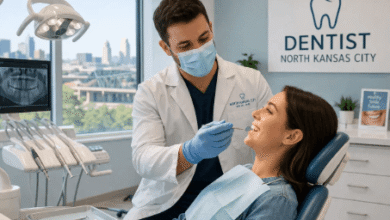
You want to protect your child’s teeth before problems start. A first dental visit can feel uncertain, yet it gives you clear answers and simple steps. This visit is not only about spotting cavities. It helps your child build trust with a dentist, learn how to brush, and feel calm in the chair. Many parents wait until there is pain or a broken tooth. By then, treatment like dental crowns Akron oh might be the only choice. Early visits often prevent that. You might wonder when to schedule that first check. You might notice new teeth, new habits, or new fears. Each one can be a sign your child is ready. This blog explains four clear signs to watch for. You will see what to expect, what to ask, and how to prepare your child so the first visit feels safe and simple.
Sign 1: Your child’s first teeth have come in
Once the first tooth shows, your child is ready for a dental visit. Teeth can decay soon after they appear. Early checks keep problems small and easy to treat.
Health experts suggest a first visit by age 1 or within 6 months after the first tooth. You can read this advice from the American Academy of Pediatrics.


At this first visit, the dentist will usually:
- Look at each tooth and the gums
- Check how the teeth touch
- Clean any plaque that has built up
- Show you how to brush and use a tiny amount of fluoride toothpaste
This quick exam helps you see what is normal and what is not. It also sets a pattern. Your child learns that dental care is a normal part of growing up.
Sign 2: Your child eats and drinks sugar often
Frequent snacks and sweet drinks hurt teeth. Each sip or bite feeds germs in the mouth. These germs make acid that attacks the teeth.
Your child needs a dental visit soon if you notice:
- Juice, sports drinks, or soda most days
- Snacks that stick to teeth, like crackers or gummy snacks
- Milk or formula in a bottle at nap or bedtime
Tooth decay can start quietly. You may not see or feel it at first. A dentist can spot early white spots on teeth. These spots can often heal with fluoride and brushing if you act quickly.
You can also check simple facts about sugar and teeth from the National Institute of Dental and Craniofacial Research.
Sign 3: You see changes in your child’s teeth or mouth
Any change you see in the mouth is a clear sign to schedule a visit. Do not wait for pain. Pain often means the problem is deep.
Watch for:
- White, brown, or black spots on teeth
- Teeth that look chipped or worn
- Red or bleeding gums when brushing
- A smell from the mouth that does not go away with brushing
These changes may mean early decay, gum disease, or an injury. A dentist can explain what is happening and show you a plan. Quick care often means simple treatment. Late care can lead to longer visits and more complex work.
Sign 4: Your child asks questions or shows fear about teeth
When your child starts to ask about teeth, brushing, or the dentist, your child is ready. Curiosity is a strong sign. A first visit can turn fear into control.
Your child may:
- Ask why teeth fall out
- Worry about a tooth that feels loose
- Refuse to brush or fight you at brushing time
- Say they are scared of “the dentist” from stories or shows
A kind dental team can guide your child through each step. They can show the mirror, the light, and the chair. They can count teeth out loud. They can let your child touch a toothbrush and a small mirror. These simple steps reduce fear.
See also: Why Preventive Dentistry Protects Against Generational Health Risks
How early visits protect your child’s teeth
Early dental visits give your child three main benefits. You get clear facts. You get a simple plan. You prevent pain.
Common goals of early visits include:
- Preventing cavities instead of only treating them
- Teaching good brushing and flossing habits
- Guiding use of fluoride and healthy snacks
The table below compares children who start dental visits early with those who start late.
| Factor | Early first visit (by age 1) | Late first visit (after age 3) |
|---|---|---|
| Chance of small, easy to treat cavities | Higher | Lower |
| Chance of painful tooth problems | Lower | Higher |
| Number of emergency visits | Lower | Higher |
| Comfort with dental visits | Greater | Less |
| Need for complex treatment such as crowns | Less common | More common |
How to prepare your child for the first visit
You can make the first visit calm and simple with a few steps.
- Pick a time of day when your child is rested
- Use plain words like “tooth doctor” and “tooth check”
- Read a short book about going to the dentist
- Practice at home by counting teeth in a mirror
- Bring a comfort item such as a small toy or blanket
Try not to use words like “hurt” or “shot.” Even if you mean to reassure your child, these words can plant fear. Instead, say the dentist will “check your smile” and “clean your teeth.”
When to call and what to ask
If you see any of the four signs, contact a dental office that sees young children. When you call, you can ask:
- What will happen at the first visit
- How long the visit usually takes
- Whether you can sit with your child during the exam
- What your child should eat or drink before the visit
Early visits protect your child’s health and comfort. They also give you peace of mind. You know you are not waiting for a crisis. You are taking steady, clear steps to guard your child’s smile.