Your mouth affects how you eat, speak, sleep, and work. Small problems grow fast when you ignore them. Routine preventive care stops that quiet damage before it turns into pain, infection, or lost teeth. You deserve care that protects you for years, not quick fixes that fail. Regular visits with a trusted dentist in Ballston, Arlington, VA help you catch early decay, gum disease, and bite problems while they are still simple to treat. Preventive services do three things. They remove harmful buildup. They strengthen teeth. They watch for early warning signs. This blog explains four common services your dentist may recommend and why each one matters for your long term health. You will see how these simple steps lower your risk of emergencies, save money, and protect your smile so you can eat with comfort and speak with confidence at every age.
1. Professional cleanings
You brush and floss every day. That effort still cannot reach every spot. Sticky plaque hardens into tartar that you cannot remove at home. A professional cleaning breaks up that hardened film before it harms gums and bone.
During a cleaning, the dental team will usually:


- Remove plaque and tartar from teeth and along the gumline
- Polish tooth surfaces so new buildup sticks less
- Review brushing and flossing habits in plain language
Routine cleanings lower your risk of gum disease. The Centers for Disease Control and Prevention explains that nearly half of adults over 30 show signs of gum disease, which can lead to tooth loss if you ignore it.
Here is a simple guide for visit timing.
| Health situation | Suggested cleaning schedule |
|---|---|
| Healthy gums and low decay risk | Every 6 months |
| History of cavities or early gum issues | Every 3 to 4 months |
| Diabetes, pregnancy, or weak immune system | Every 3 months, as advised by your dentist |
| Active gum disease treatment | Every 2 to 3 months until stable |
Cleanings protect more than your teeth. They support heart health and blood sugar control. They also keep breath fresh. That quiet relief helps at school, work, and home.
2. Dental exams and X‑rays
You cannot feel early decay or bone loss. You also cannot see between teeth or under old fillings. Regular exams and X‑rays give your dentist a clear view of hidden damage before it hurts.
During an exam, your dentist will often:
- Check each tooth for soft spots, cracks, and wear
- Look for gum swelling, bleeding, or pockets
- Review your bite and jaw movement
- Screen your mouth, tongue, and throat for cancer
X‑rays reveal problems you cannot see, such as:
- Decay between teeth
- Infections at the root tip
- Bone loss around teeth
- Hidden extra or missing teeth in children
The American Dental Association explains that dental X‑rays use very low radiation and that the benefit of early problem detection is high.
Early exams protect you from sudden pain. They also reduce the need for large fillings, crowns, or extractions. That means fewer long visits, fewer missed school or work days, and lower costs over time.
3. Fluoride treatments
Fluoride is a natural mineral. It makes tooth enamel harder. It also helps repair early weak spots before they become full cavities. You may get some fluoride from water and toothpaste. Extra fluoride in the dental office gives another layer of defense.
During a fluoride treatment, your dentist may:
- Paint fluoride varnish on teeth
- Place a tray in your mouth with a gel or foam for a short time
- Give simple instructions about eating or drinking after the visit
Fluoride helps at all ages. It is especially useful if you:
- Have many past cavities
- Wear braces that trap food
- Use medicines that dry the mouth
- Drink sugary drinks often
Here is a quick comparison of common fluoride sources.
| Fluoride source | How you get it | Main benefit |
|---|---|---|
| Fluoridated tap water | Drink throughout the day | Constant low level protection for all teeth |
| Fluoride toothpaste | Brush twice daily and spit | Daily cavity protection at home |
| Office fluoride treatment | Short application during checkup | Strong boost for high risk teeth |
Fluoride is safe when used under guidance. It gives you quiet strength against decay. It also supports baby teeth so children can chew and speak well.
4. Sealants for cavity‑prone teeth
Back teeth have deep grooves that catch food and bacteria. These grooves are hard to clean, even with careful brushing. Sealants cover those grooves with a thin shield, so decay has fewer places to start.
The sealant process is simple:
- Teeth are cleaned and dried
- A gentle gel prepares the surface
- Liquid sealant is painted into the grooves
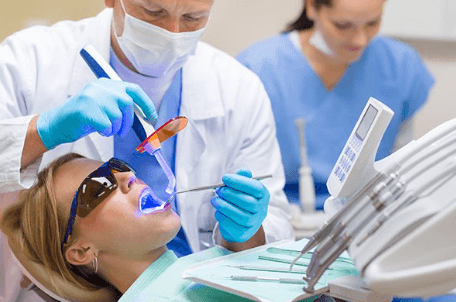
- A curing light hardens the coating
Sealants work best on new permanent molars in children. They also help adults with deep grooves or early weak spots. The process is painless. It does not require shots or drilling.
Studies show sealants can cut cavity risk in molars by up to half or more. That protection matters because molars do most of the chewing and are lost more often from decay.
See also: Why Preventive Dentistry Protects Against Generational Health Risks
Putting it all together for your family
These four services work best as a team. Cleanings remove buildup. Exams and X‑rays find hidden problems. Fluoride hardens enamel. Sealants guard the most at‑risk chewing surfaces.
To protect your household, you can:
- Schedule regular checkups for every family member
- Ask if your child is ready for sealants on new molars
- Review fluoride options based on your water source and cavity history
- Share medicines and health conditions with your dentist so care matches your needs
Consistent preventive care gives you three key gains. You feel less fear of dental visits because problems stay small. You spend less on urgent treatment because you plan ahead. You keep strong teeth so you can eat, speak, and smile with steady comfort through every stage of life.